Skip to product information

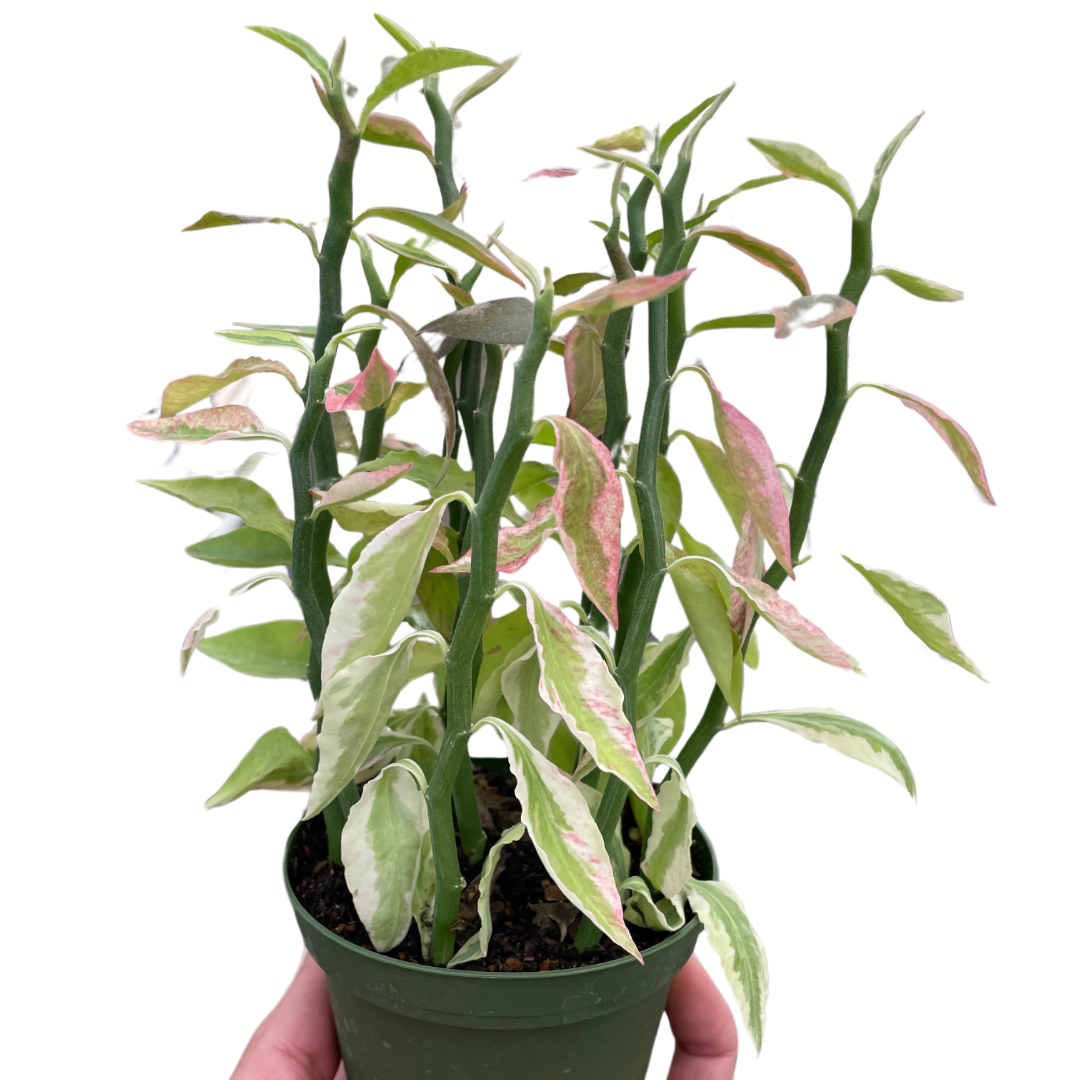
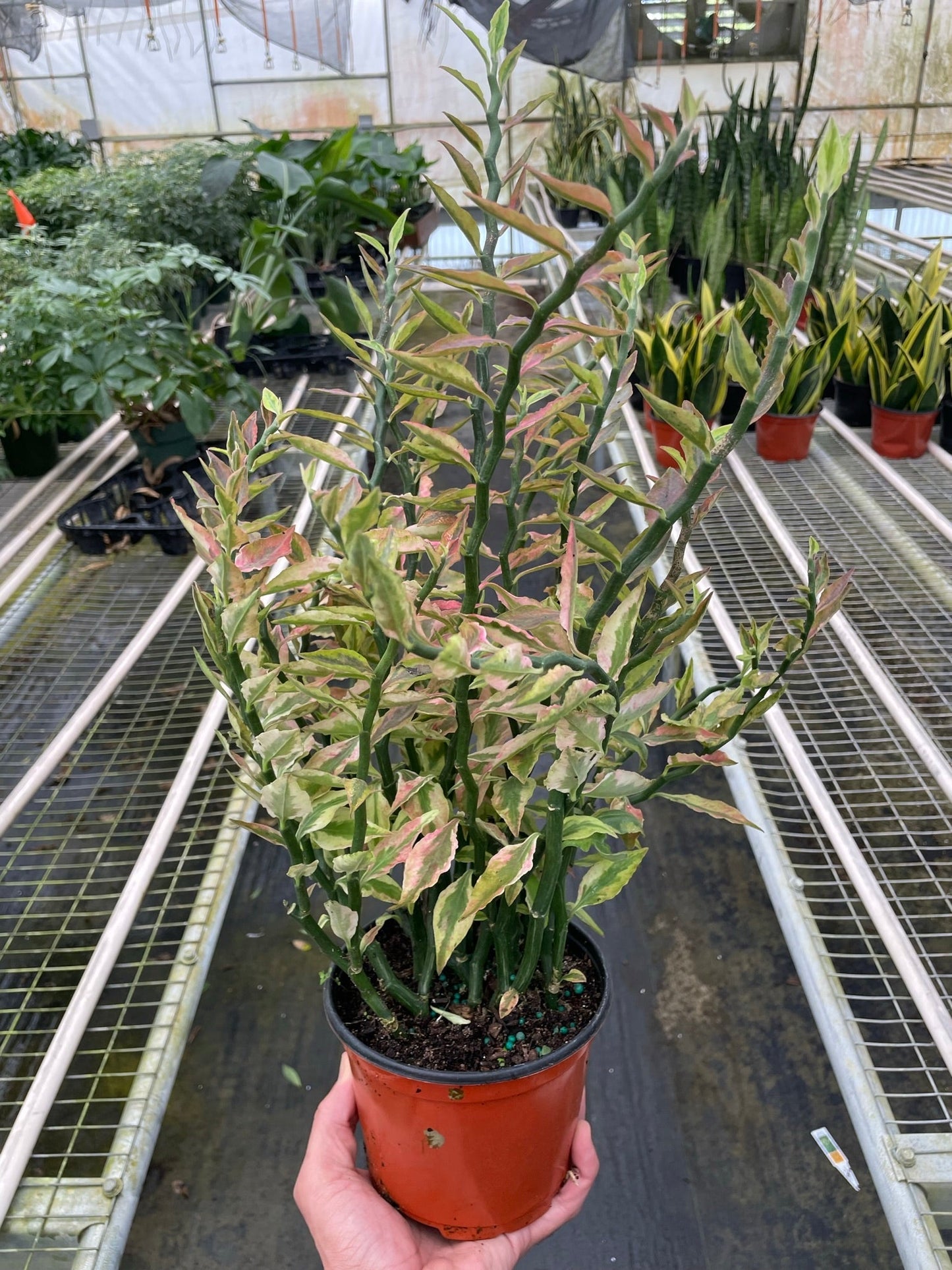
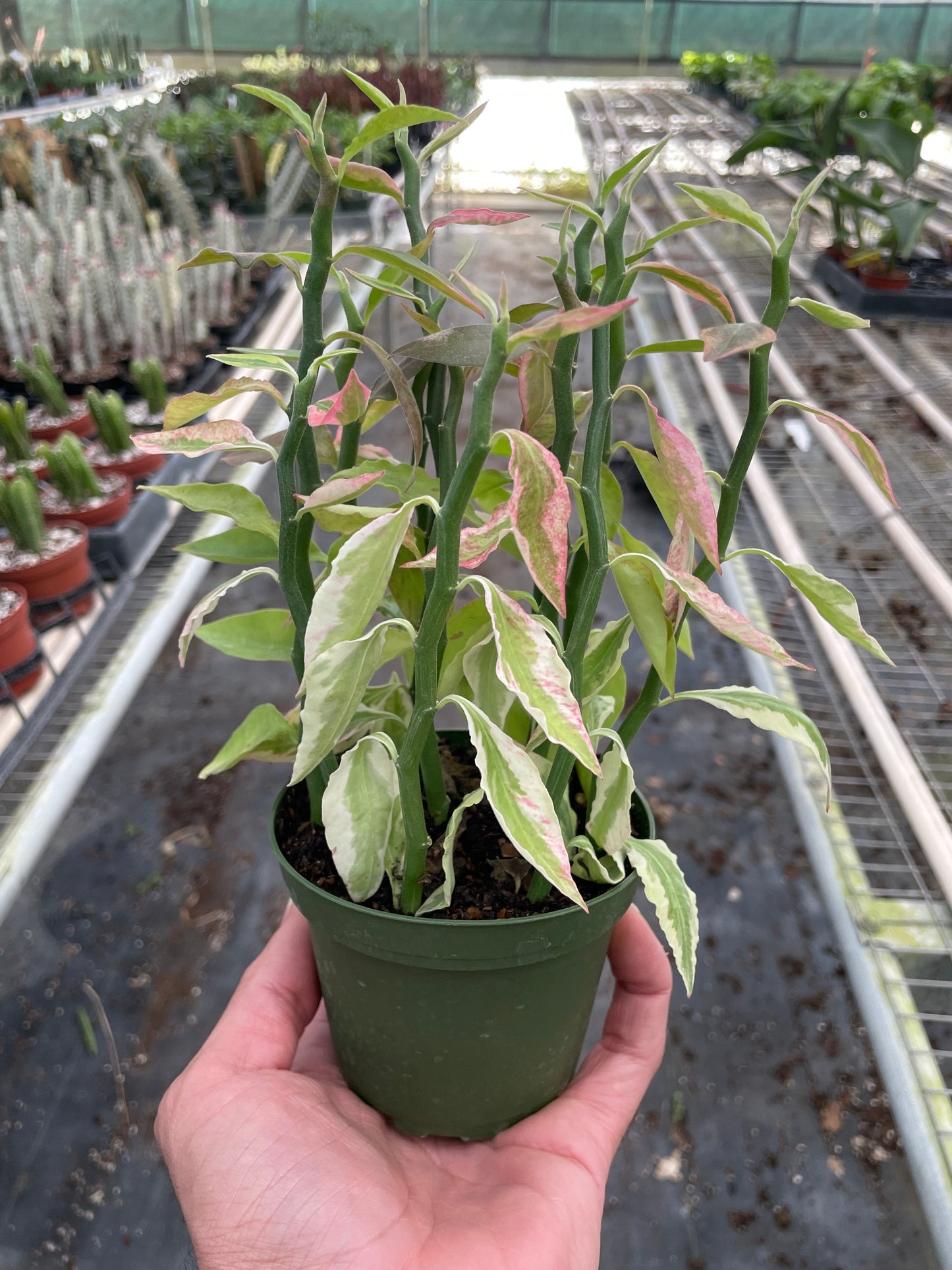
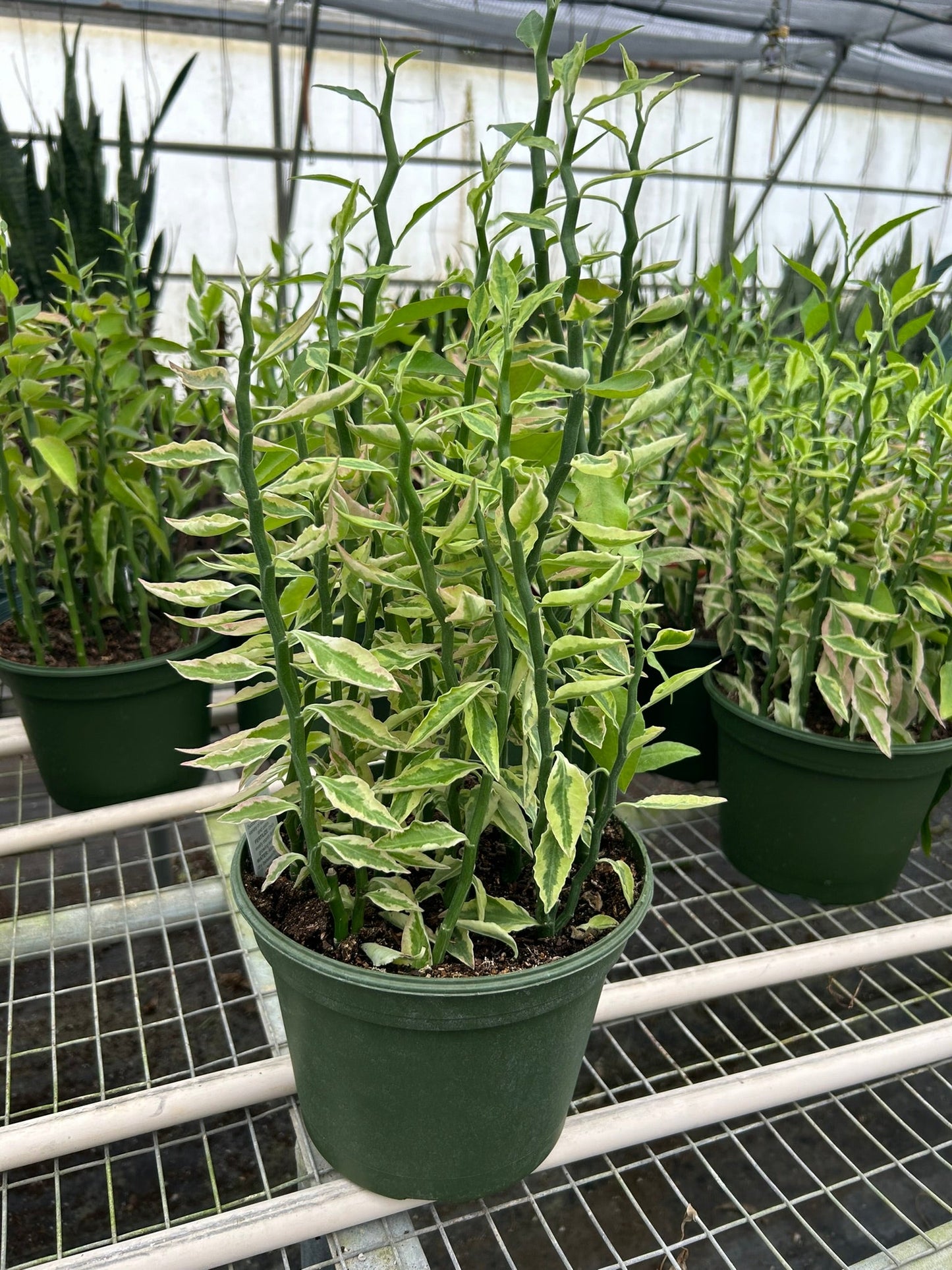
    Variegated Devil's Backbone (Euphorbia tithymaloides) Live Houseplant

    $30.96 USD
     per 
    Shipping calculated at checkout.
    In stock!

    Sourced from trusted local U.S. plant nurseries

    Carefully inspected for pests and diseases before shipping

    Shipped with eco-friendly packaging and care tips

    Includes heat packs during cold weather to prevent freezing

    Size: 4" Pot

    Product description

    Variegated Devil's Backbone Introduction: Variegated Devil's Backbone (Euphorbia tithymaloides) is a sculptural succulent shrub prized for its zig-zag stems and chartreuse-yellow cream variegation that can show pink edges in cooler months. It commands attention on bright windowsills and adds a bold indoor jungle vibe to moody corners.

    Why You Need a Variegated Devil's Backbone

    The Variegated Devil's Backbone brings architectural drama and living color to any space, turning rooms into an indoor jungle. In bright light it maintains vivid variegation, boosting mood and elevating decor with minimal upkeep—ideal for busy homes pursuing a lush, houseplant care routine.

    Key Features

    • Foliage: Chartreuse-yellow cream variegation with pink-tinged edges on zig-zag stems; glossy, slender leaves that catch the light.
    • Dimensions: Shipping size varies by stock; grows upright into a tall sculptural form.
    • Growth Habit: Upright, architectural shrub with a striking silhouette and occasional red spring flowers.
    • Origin: Cultivated variegated Euphorbia tithymaloides cultivar.

    Variegated Devil's Backbone Care Guide

    • Light: Bright indirect light to direct sun to preserve contrast; indirect sunlight is ideal.
    • Water: Water thoroughly only when the potting mix is completely dry to the touch to support root rot prevention.
    • Humidity: Average indoor humidity; no special misting required.

    Safety Note

    Is the Variegated Devil's Backbone pet-safe? No, the Variegated Devil's Backbone is toxic if ingested and its milky sap can irritate skin. Keep away from children and pets.

    Horticulturalist's Pro-Tip

    Rotate the plant periodically and use a breathable, well-draining potting mix to ensure even growth and strong variegation.

    Ready to transform your space? Add the Variegated Devil's Backbone today and start cultivating your indoor jungle.

    Frequently Asked Questions

    How much light does a Variegated Devil's Backbone need to stay vibrant?

    A Variegated Devil's Backbone thrives best in bright, indirect light, though the Variegated Devil's Backbone can tolerate lower light conditions at the cost of slower growth.

    How often should I water my Variegated Devil's Backbone to avoid root rot?

    To keep the Variegated Devil's Backbone healthy, water only when the top two inches of soil are dry, as the Variegated Devil's Backbone is susceptible to root rot in standing water.

    What type of light is ideal for a Variegated Devil's Backbone during winter?

    During winter, the Variegated Devil's Backbone benefits from bright indirect light to protect its variegation; keep the Variegated Devil's Backbone away from cold drafts.

    Can the Variegated Devil's Backbone tolerate a lower-humidity room?

    Yes, the Variegated Devil's Backbone adapts to typical indoor humidity, but the Variegated Devil's Backbone appreciates occasional humidity boosts if air becomes very dry.

    What soil mix is best for Variegated Devil's Backbone to thrive?

    Use a well-draining soil mix; a cactus/succulent blend or a standard potting mix amended with perlite or pumice works well for the Variegated Devil's Backbone to prevent soggy conditions.

    Is Variegated Devil's Backbone drought-tolerant?

    The Variegated Devil's Backbone prefers to dry out between waterings, exhibiting moderate drought tolerance in the right conditions to protect its roots from rot.

    How fast does Variegated Devil's Backbone grow indoors?

    The Variegated Devil's Backbone grows at a steady pace, especially with bright light, and can reach impressive height over time as part of your indoor jungle.

    How should I prune Variegated Devil's Backbone to maintain shape?

    Prune leggy growth after a growth spurt to keep the Variegated Devil's Backbone's zig-zag silhouette; always wear gloves to avoid sap contact when trimming the Variegated Devil's Backbone.

    Does Variegated Devil's Backbone produce flowers?

    Yes, the Variegated Devil's Backbone can produce small red flowers in spring, adding seasonal color to the indoor jungle aesthetic.

    Is Variegated Devil's Backbone safe for pets if ingested?

    No, the Variegated Devil's Backbone is toxic if ingested and can cause irritation from the sap; supervise curious pets around the Variegated Devil's Backbone.

    What pests commonly affect Variegated Devil's Backbone indoors?

    The Variegated Devil's Backbone can attract mealybugs, spider mites, and scale; inspect regularly and treat promptly to protect the Variegated Devil's Backbone.

    Can Variegated Devil's Backbone be propagated from cuttings?

    Yes, the Variegated Devil's Backbone propagates well from stem cuttings; allow a callus, then root in well-draining soil with good air circulation for the Variegated Devil's Backbone.

    What fertilizer schedule suits Variegated Devil's Backbone best?

    Feed the Variegated Devil's Backbone with a balanced liquid fertilizer every 4–6 weeks during the growing season, diluting to half strength to avoid fertilizer burn on the Variegated Devil's Backbone.

    When and how often should I repot Variegated Devil's Backbone?

    Repot the Variegated Devil's Backbone every 1–2 years or when it becomes pot-bound, using fresh well-draining soil to support continued vigor for the Variegated Devil's Backbone.

    What temperatures does Variegated Devil's Backbone prefer?

    The Variegated Devil's Backbone thrives in typical room temperatures between 60–85°F (15–29°C); avoid freezing and sudden drafts that stress the Variegated Devil's Backbone.

    What's the best way to prevent root rot in Variegated Devil's Backbone?

    For the Variegated Devil's Backbone, ensure well-draining soil, a pot with drainage, and allow the topsoil to dry between waterings to prevent root rot.

    Can Variegated Devil's Backbone's variegation be preserved in low light?

    Low light will dull the Variegated Devil's Backbone's variegation over time; the Variegated Devil's Backbone preserves variegation best with bright indirect light.

    How to care for Variegated Devil's Backbone during seasonal changes?

    During seasonal changes, adjust watering for the Variegated Devil's Backbone by allowing more drying time in cooler months and slightly increasing light to maintain color in the Variegated Devil's Backbone.

    Are there toxicity concerns with the Variegated Devil's Backbone's sap?

    Yes—the Variegated Devil's Backbone's sap can irritate skin and mucous membranes; handle with gloves and keep the Variegated Devil's Backbone out of reach of children and pets.

    What's the difference between Variegated Devil's Backbone and non-variegated Euphorbia tithymaloides?

    The Variegated Devil's Backbone features chartreuse-yellow cream variegation on the Variegated Devil's Backbone's leaves, creating a striking contrast, while non-variegated Euphorbia tithymaloides is solid green; variegation requires bright light to maintain its color in the Variegated Devil's Backbone.

    View full details

    Variegated Devil's Backbone (Euphorbia tithymaloides) Live Houseplant

    Frequently Asked Questions

    Is the Variegated Devil's Backbone Euphorbia a good plant for beginners?
    Yes. This Variegated Devil's Backbone is well suited to beginners because it is a succulent shrub that tolerates periods of dryness, requires only bright light, and thrives in average household humidity. Specific care factors that help novices succeed are its preference for well draining soil that reduces the risk of root rot, simple watering practice of waiting until the soil is completely dry, and minimal feeding needs limited to diluted fertilizer during the active season. Beginner plant owners who want a sculptural, low maintenance specimen in a sunny spot will benefit most. As a limitation, it contains a milky white sap that can irritate skin and is toxic if ingested, so it is not ideal for homes where pets or young children will access the plant.
    Is the Variegated Devil's Backbone safe for homes with pets or children?
    No. The Variegated Devil's Backbone is not safe for homes where pets or small children can access it because it contains a milky white sap that can irritate skin and is toxic if ingested. Two specific safety points are that contact with the sap may cause topical irritation and swallowing plant material can lead to more serious toxicity, and pruning or breaking stems increases the risk of exposure so gloves and eye protection are recommended. This plant is best for households that can place it out of reach, such as on high shelves or in rooms without unsupervised children or pets. If full non toxicity is required, consider choosing a known non toxic alternative instead.
    How much light does this Zig-Zag succulent need indoors?
    It needs bright light, ideally a mix of several hours of direct sun and bright indirect light. The Variegated Devil's Backbone maintains its vivid variegation and compact form when given ample light, and insufficient light causes leggy growth and faded color. Place it near a south or west facing window where it can receive strong morning or afternoon sun, or provide supplemental grow lighting if natural light is limited. Homeowners with bright windows or sunrooms will get the best visual results and more robust growth. As a limitation, in low light environments the plant will stretch and lose variegation, so it is not a good choice for consistently dim rooms.
    How often should I water the Variegated Devil's Backbone Euphorbia?
    Water sparingly and only when the potting mix is completely dry. As a succulent shrub it prefers cycles of wet followed by drying out, so thorough watering with good drainage and then allowing excess to drain prevents root rot. In practice that means watering frequency depends on season and conditions, often around every one to two weeks during warm, bright months and much less frequently in cooler, lower light months. Use a well draining cactus or succulent mix and a pot with drainage holes to support this routine. Owners who want low maintenance plants in bright indoor settings will find this easy to manage. Avoid overwatering, which is the most common cause of decline.
    Can I grow the Variegated Devil's Backbone outdoors?
    Yes, you can grow it outdoors in warm, protected conditions, but not where temperatures regularly drop below about 18 degrees Celsius. This Euphorbia prefers average to warm temperatures between about 18 and 29 degrees Celsius, bright sun, and well draining soil, making it suitable for outdoor cultivation in warm, frost free climates or as a seasonal patio specimen. If grown outside, place it in full sun to bright part shade and protect it from heavy rain and cold. Gardeners in cooler regions should grow it in containers so it can be brought indoors before temperatures fall. A key limitation is that it is not frost tolerant, so outdoor planting is only appropriate in mild climates or for summer placement.
    Will the Variegated Devil's Backbone bloom when grown indoors?
    Maybe, but it often does not bloom reliably indoors. This species can produce small red flowers on the growing tips in spring, but indoor cultivation often lacks the seasonal cues, intensity of light, and temperature variation that encourage flowering. Strong bright light, a healthy growing period with appropriate feeding, and stable temperatures can increase the chance of blooms, but many indoor specimens remain valued primarily for their sculptural zig zag stems and variegated foliage rather than frequent flowering. Collectors who prioritize form and variegation will be most satisfied. If consistent flowering is a primary goal, select plants known to flower readily under indoor conditions.
    How can I propagate the Variegated Devil's Backbone safely and successfully?
    You can propagate it from stem cuttings, but you must take safety precautions and follow a few steps. Cut a healthy stem with a clean sharp tool, allow the cut end to dry and callus for 24 hours to reduce sap flow, then place the cutting in a well draining succulent mix or use a rooting hormone to speed rooting. Always wear gloves and eye protection because the milky white sap is irritating and toxic, and avoid placing cuttings where pets or children can reach them. Propagation works best for growers comfortable handling toxic sap and who can provide bright light and warm conditions for root development. If you prefer a no sap method, seek non toxic alternatives.
    How large does this succulent shrub get and how quickly does it grow?
    This Variegated Devil's Backbone is a medium sized succulent shrub that can grow into a multi stemmed plant often reaching about two to four feet tall over several years under good conditions. Growth rate is moderate and depends on light, water, and fertilization, with faster, fuller growth when the plant receives bright light, a well draining soil mix, and occasional diluted fertilizer during the spring and summer. Owners seeking a bold statement plant for a sunny corner or balcony will appreciate its sculptural size over time. In lower light or cooler conditions growth will be slower and the plant may remain smaller and leggier.
    What soil and pot are best for the Variegated Devil's Backbone?
    Use a well draining, light cactus or succulent potting mix in a container with drainage holes. Specific benefits of that setup are improved aeration and rapid drainage which reduce the risk of root rot, and a mix amended with perlite or pumice helps maintain the dry periods the plant prefers. Terra cotta or unglazed clay pots are a good choice because they wick excess moisture from the soil, further lowering overwatering risk. Gardeners who want a low maintenance succulent that responds well to standard watering routines will benefit most. Avoid heavy garden soils or containers without drainage because retained moisture is the primary threat to this species.
    How should I prune and shape my Variegated Devil's Backbone?
    Prune carefully to shape the plant or encourage bushier growth, and always protect yourself from the sap. Pruning stimulates branching when cuts are made at healthy nodes, so use clean sharp shears, wear gloves and eye protection to avoid sap contact, and allow cut surfaces to dry before handling or planting cuttings. Regular light pruning to remove leggy stems will encourage a more compact, densely branched form, and you can selectively shorten stems to direct growth. This approach is best for owners who want control over plant form and compact display specimens. Heavy pruning can stress the plant and increase sap exposure, so prune conservatively and during active growth periods.
    SUBHEADING

    Recently viewed products

    Healthy Arrival Guaranteed

    We Stand Behind Our Brand

    Free Delivery

    We offer fast, free delivery across the U.S. on all orders—no minimum required. All plants are carefully packaged and protected from freezing during transit.

    Top-Notch Support

    Have questions? Our friendly plant experts are here to help—before and after your order.

    Satisfied or Refunded

    We stand by our plants. If you're not completely happy, we'll make it right—or refund you.

    Plants & Roses Inc.
    Plants & Roses Inc.

    Healthy Arrival Guaranteed

    Every plant is hand-picked, inspected, and shipped with care to ensure it arrives fresh and thriving.