Skip to product information

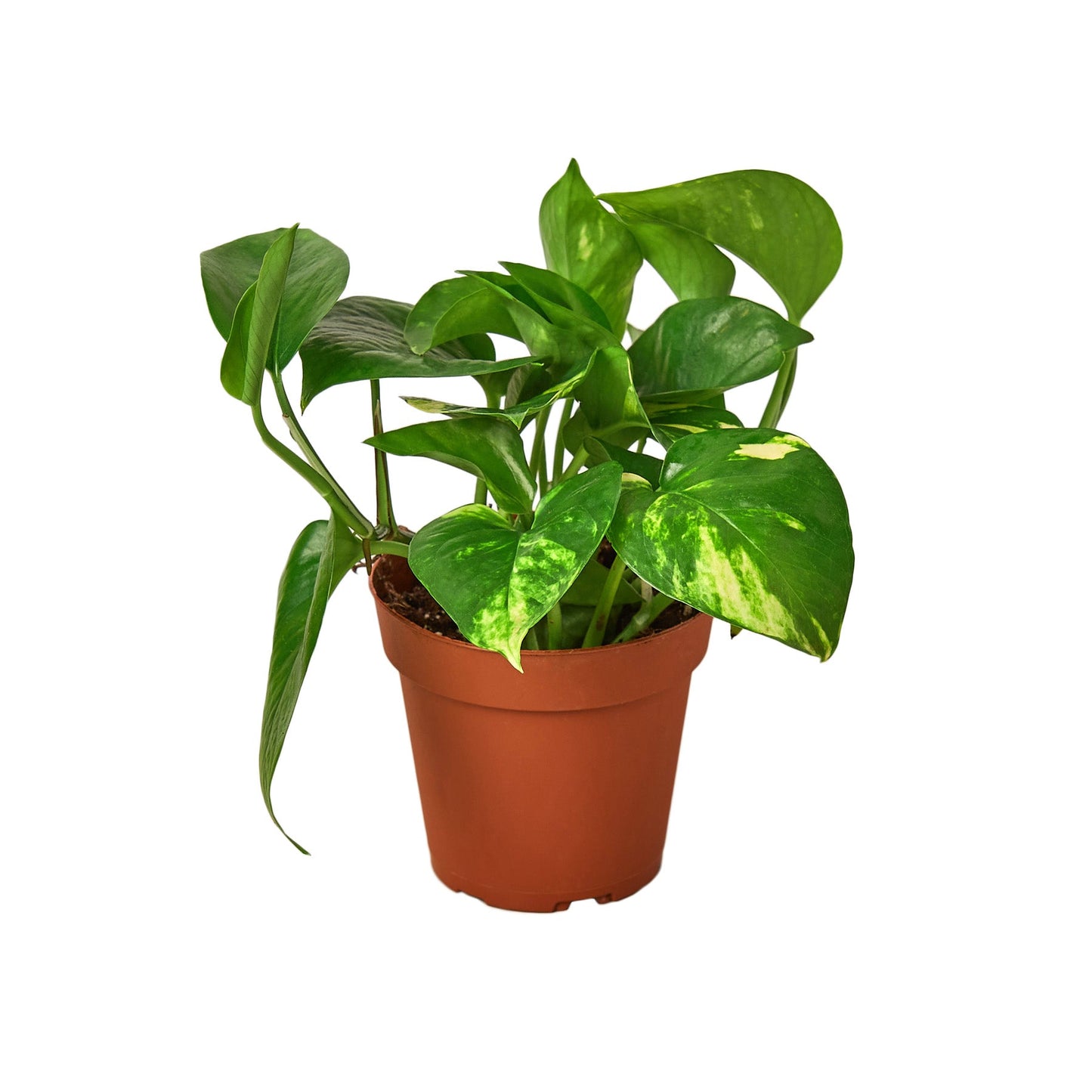
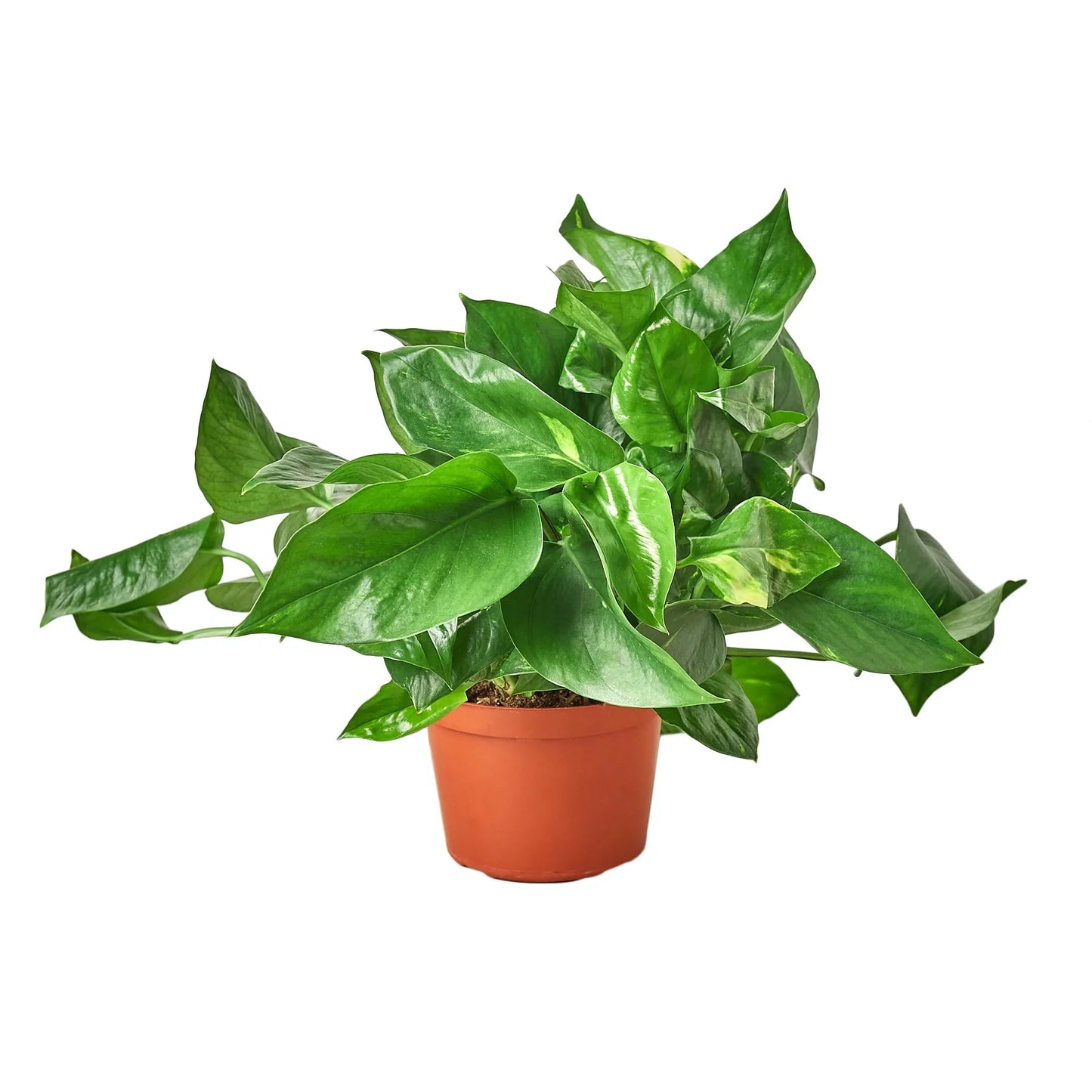
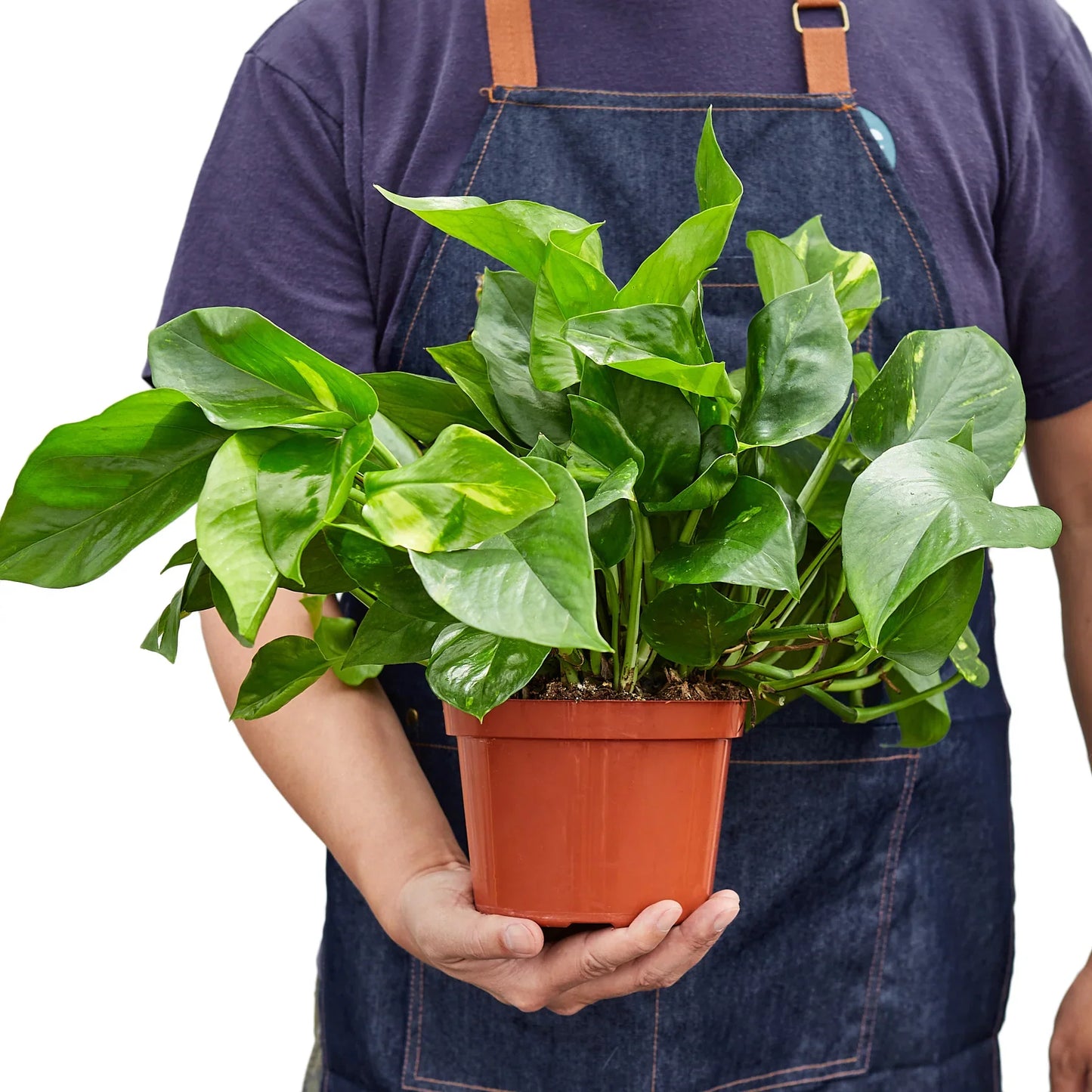
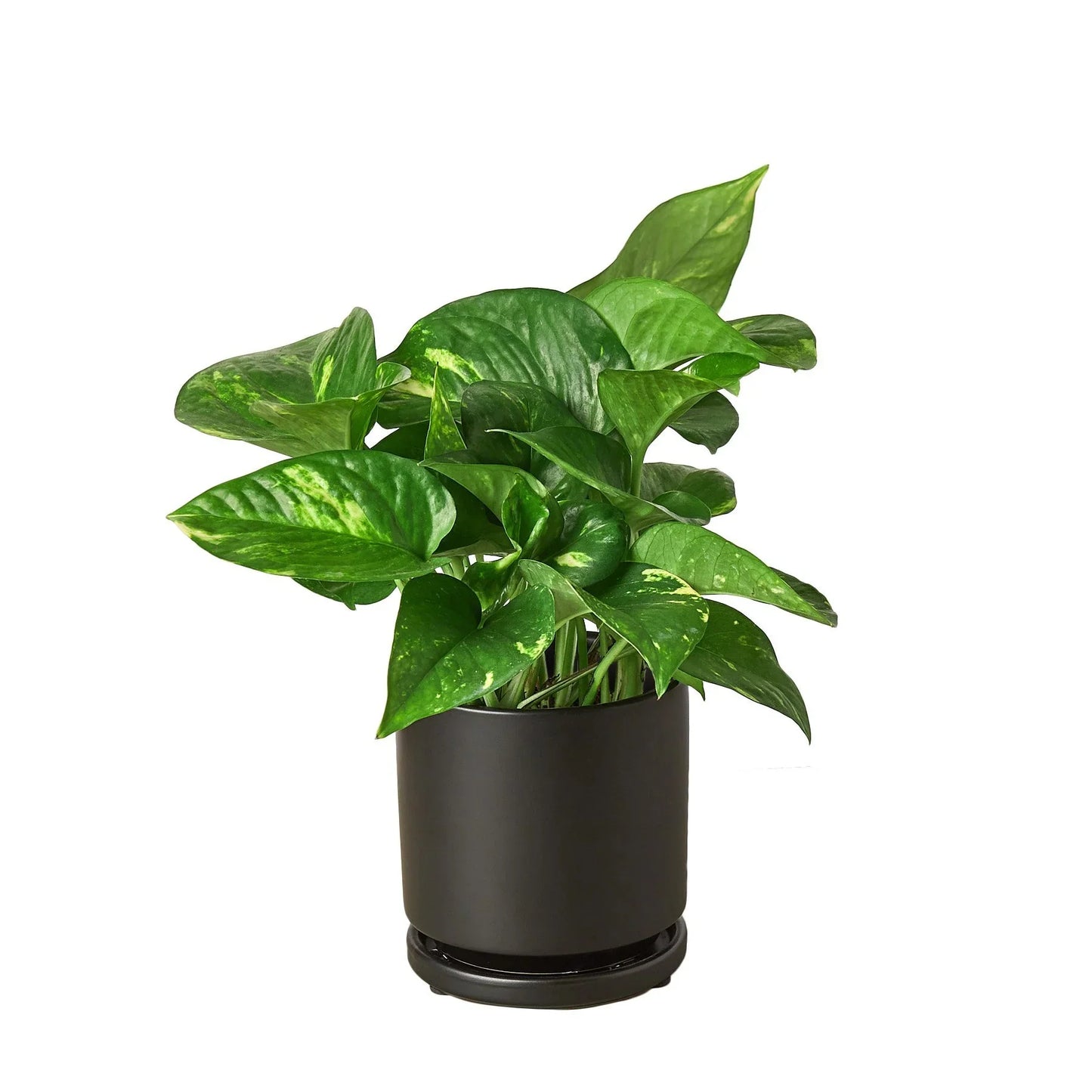
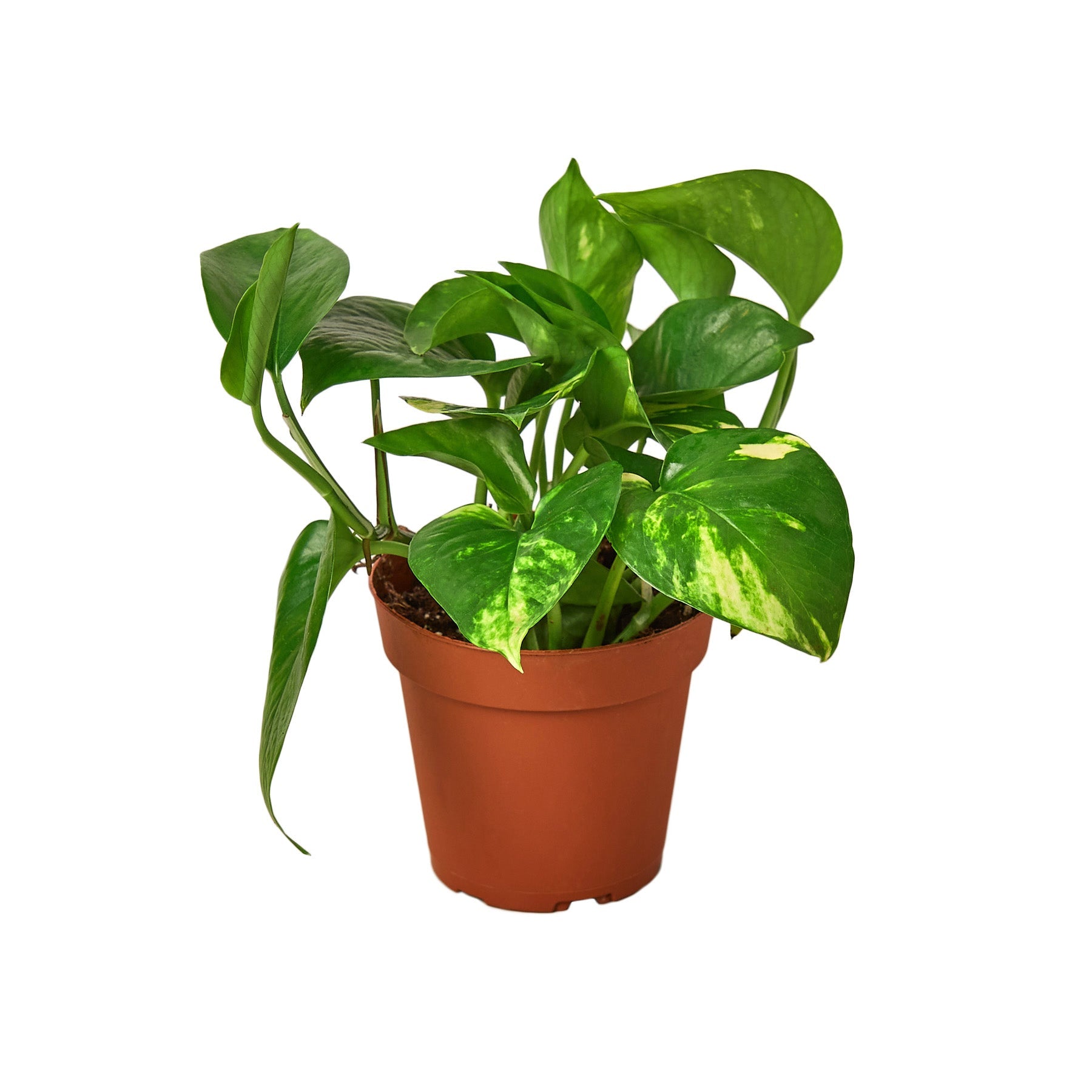
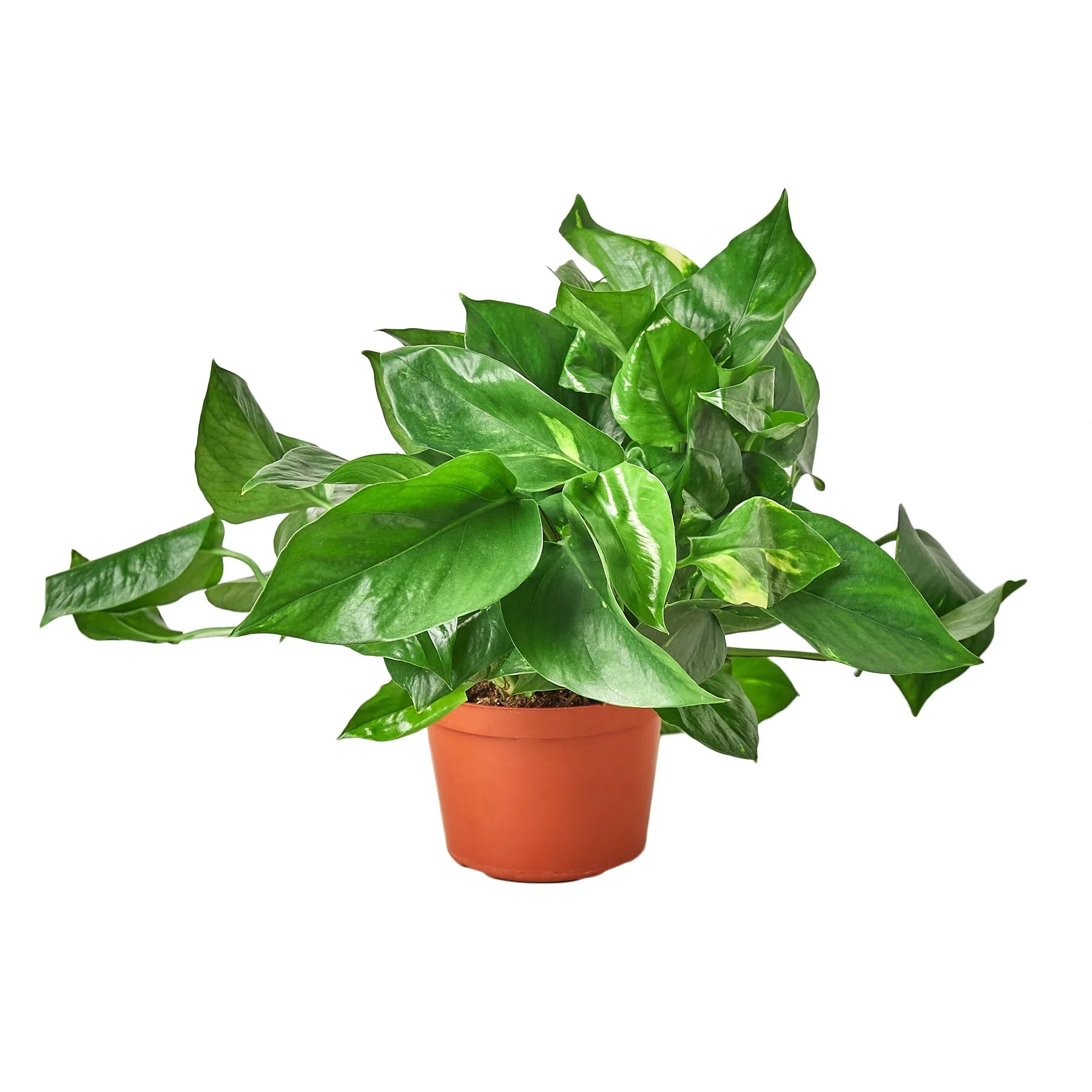
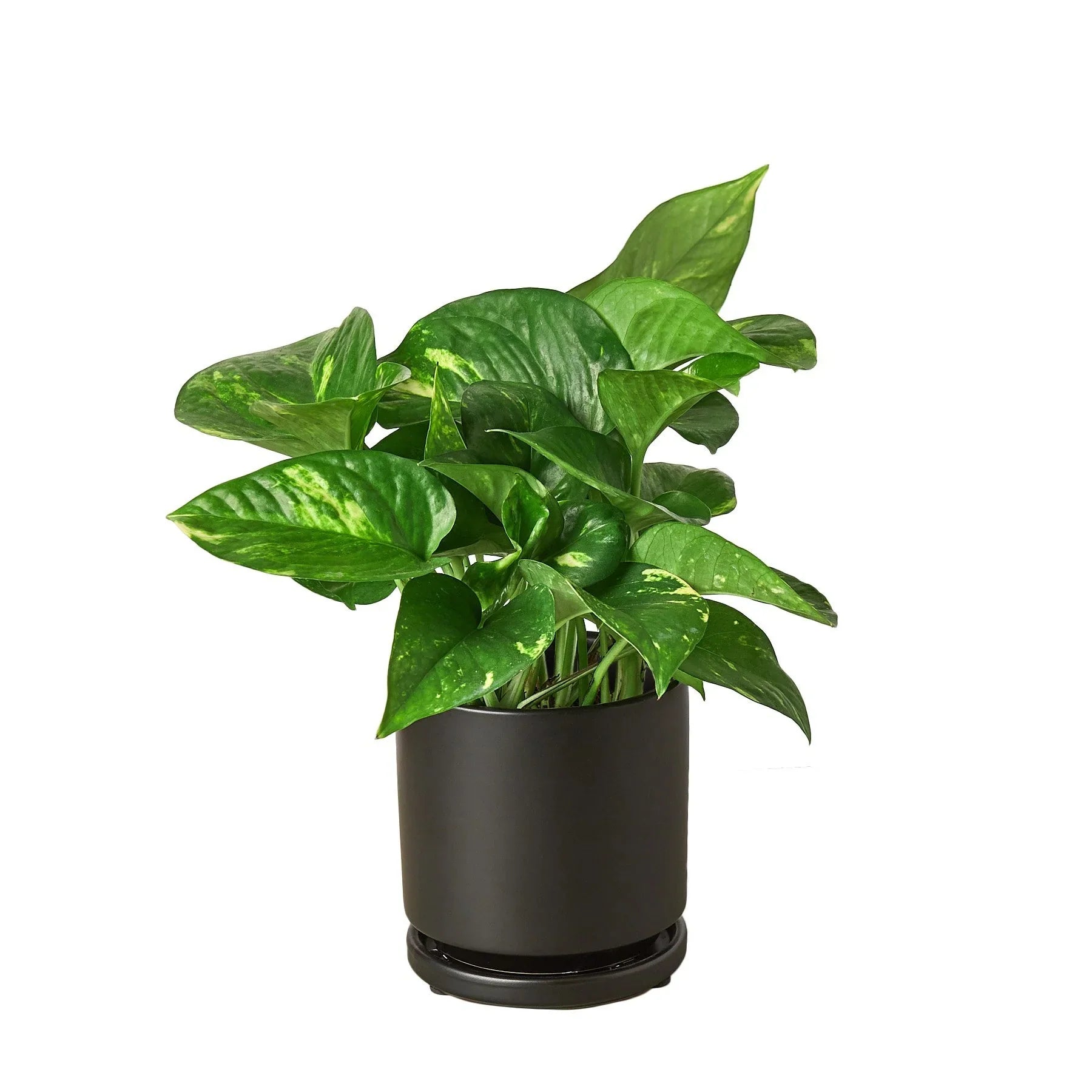
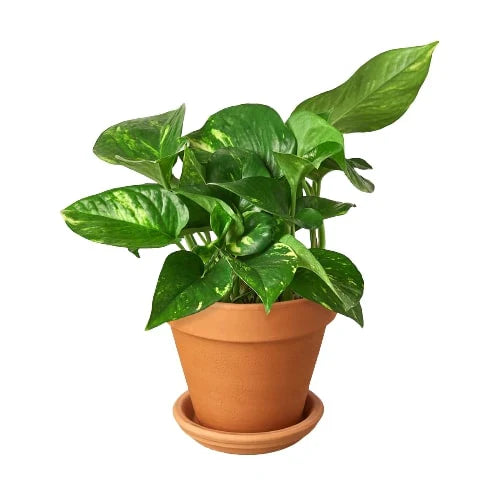
    Golden Pothos (Epipremnum aureum) Live Houseplant

    $19.00 USD
     per 
    Shipping calculated at checkout.
    In stock!

    Sourced from trusted local U.S. plant nurseries

    Carefully inspected for pests and diseases before shipping

    Shipped with eco-friendly packaging and care tips

    Includes heat packs during cold weather to prevent freezing

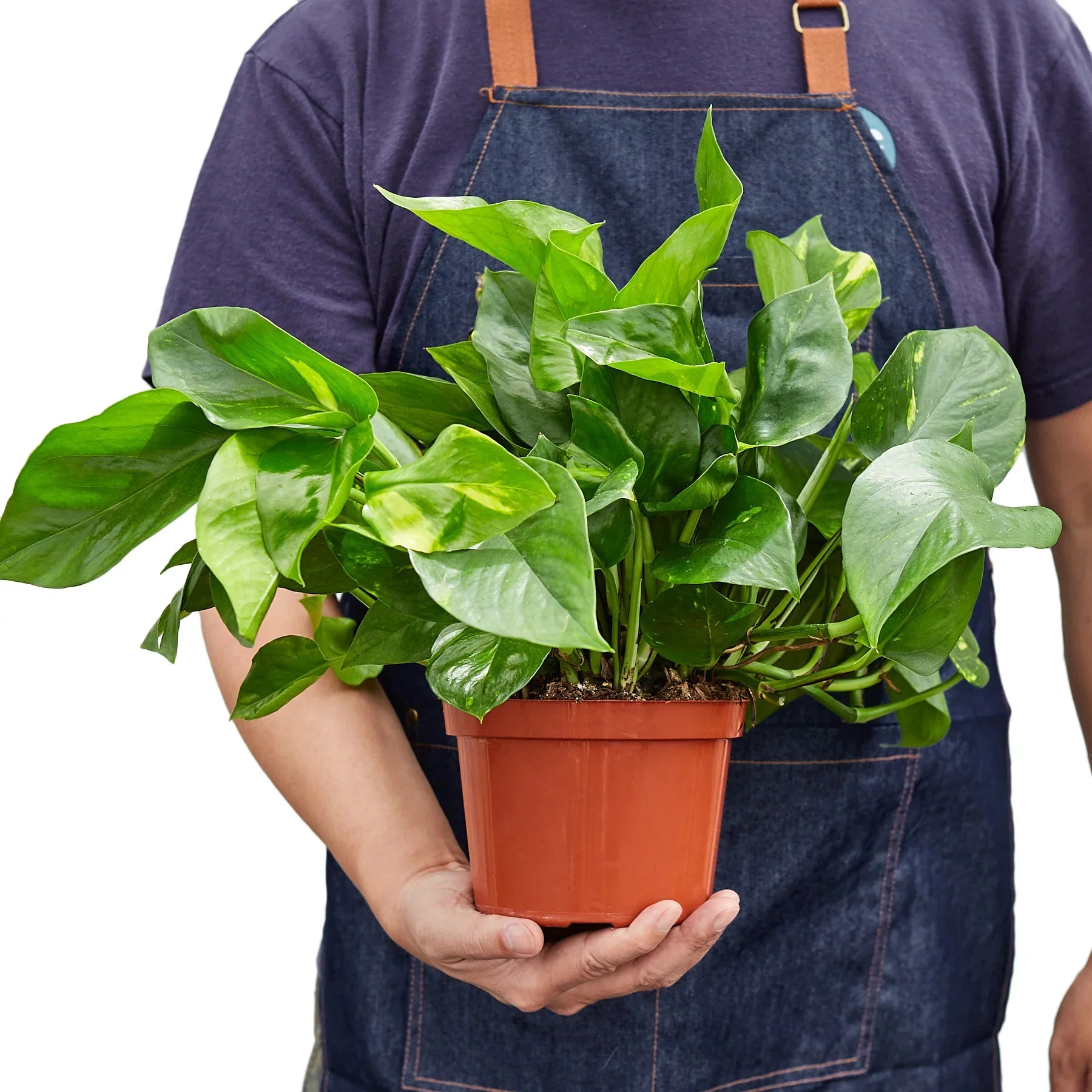
    Size: 3" Pot
    Pot Type: Nursery Pot

    Product description

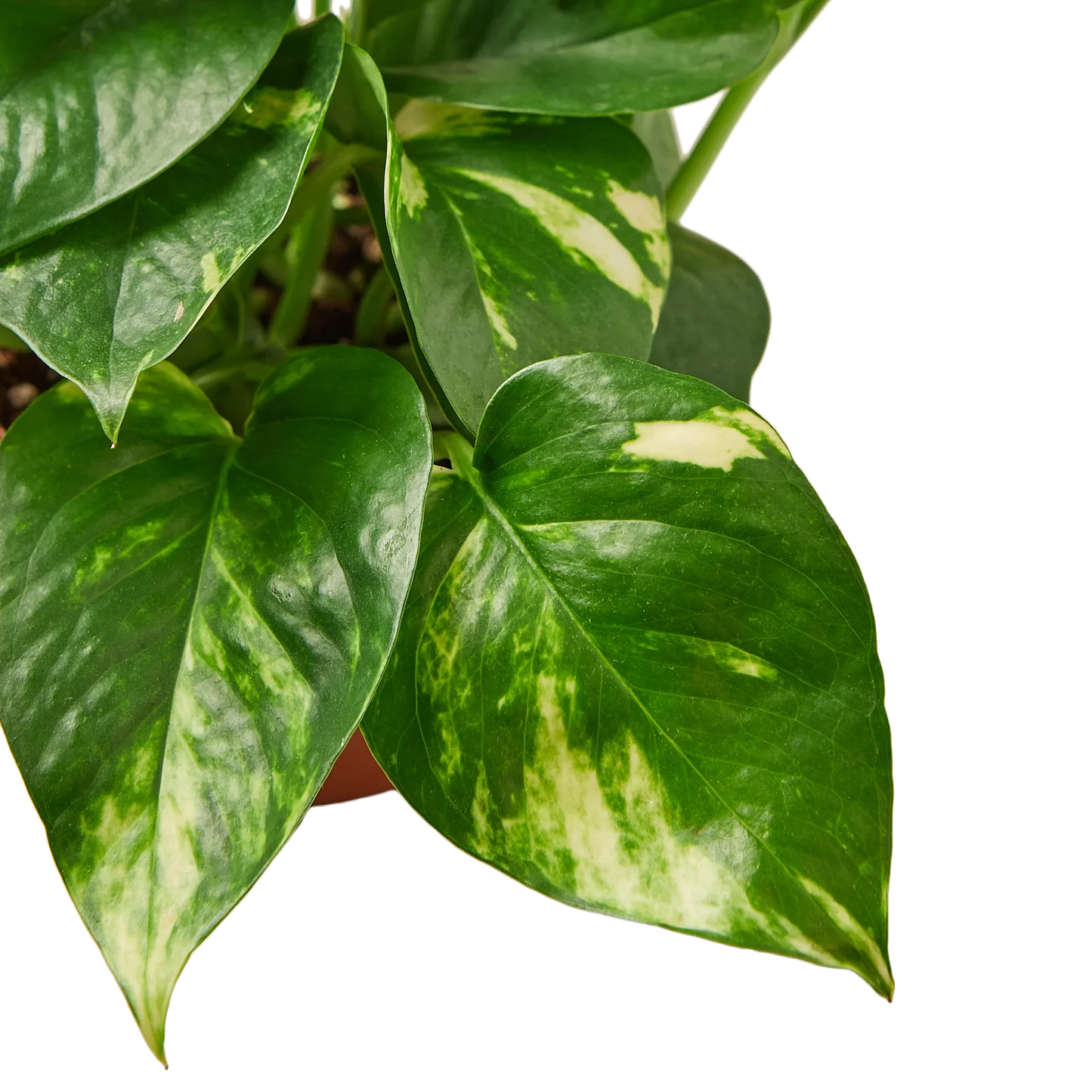
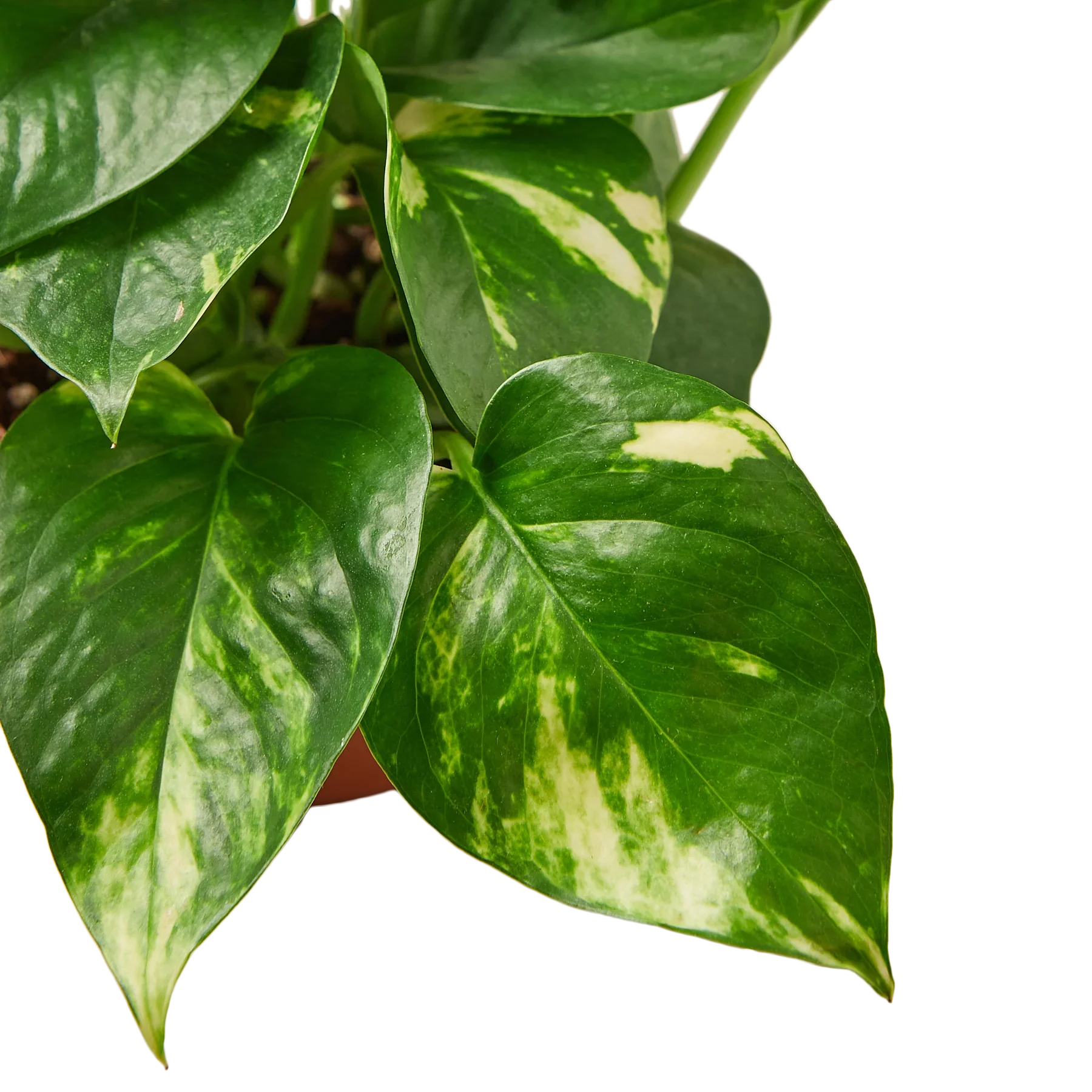
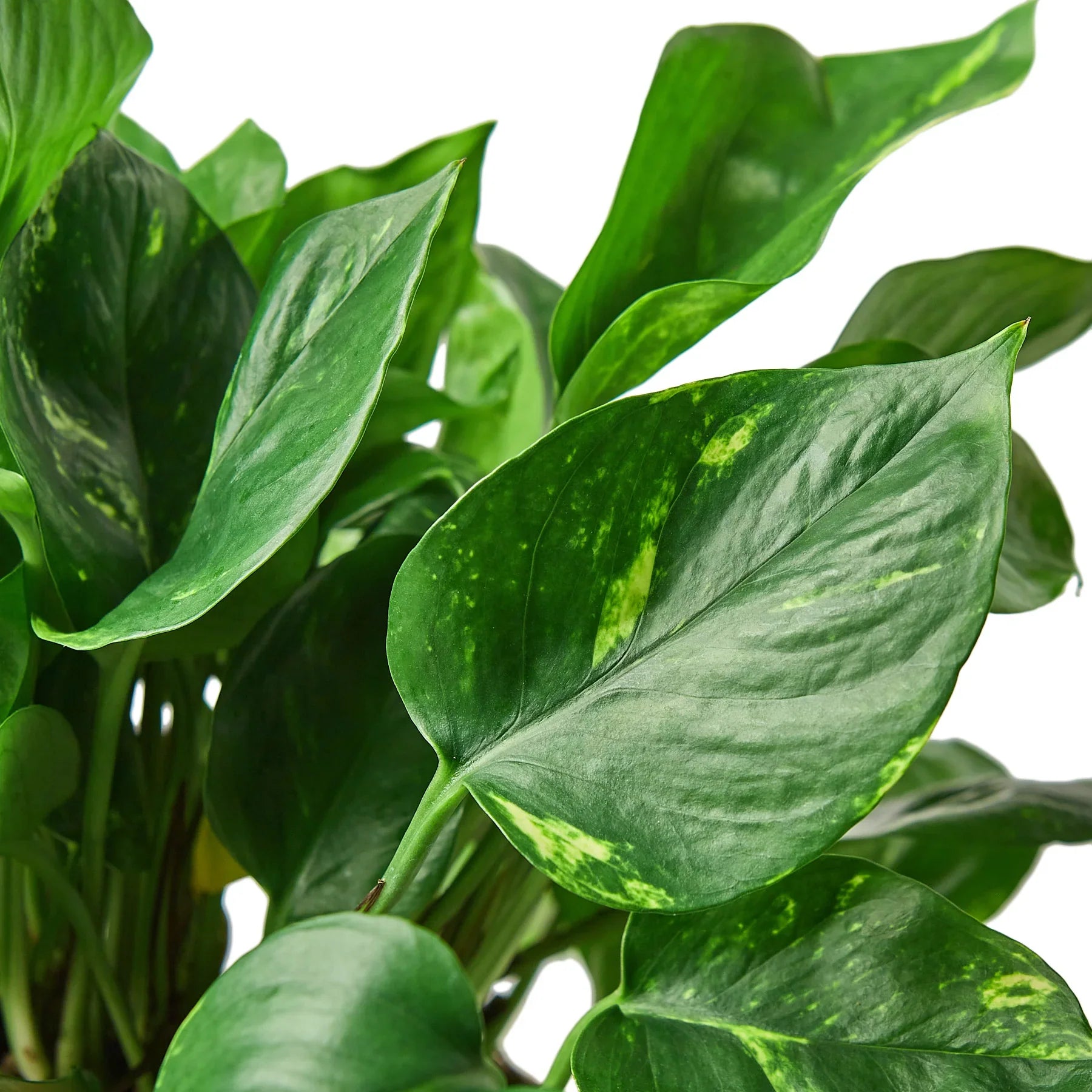
    Golden Pothos Introduction: Golden Pothos (Epipremnum aureum) trails gracefully, delivering glossy heart-shaped leaves splashed with golden variegation. This forgiving indoor vine thrives in indirect sunlight and even tolerates lower light, making it ideal for moody corners or bright windowsills.

    Why You Need a Golden Pothos

    The Golden Pothos brings cleaner air and living decor that brings an indoor jungle vibe to any shelf or hanging planter. Its lush, trailing growth adds dimension and warmth to your space, while offering easy houseplant care for busy homes. It thrives in well-draining soil, benefits from indirect sunlight, and shines as a statement piece in your interior design.

    Key Features

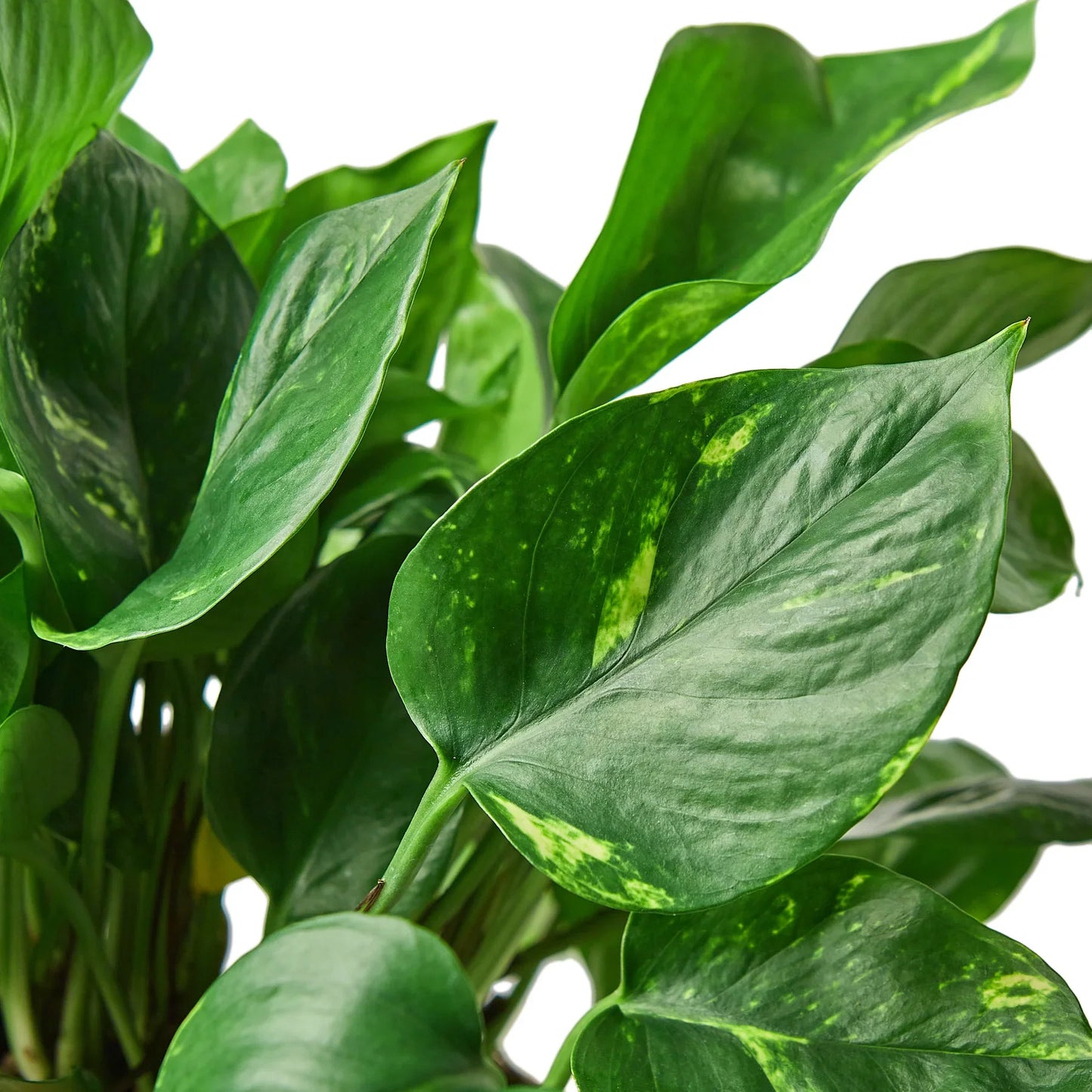
    • Foliage: Heart-shaped, glossy leaves with vibrant golden variegation
    • Dimensions: Standard home-pot size, ready to cascade
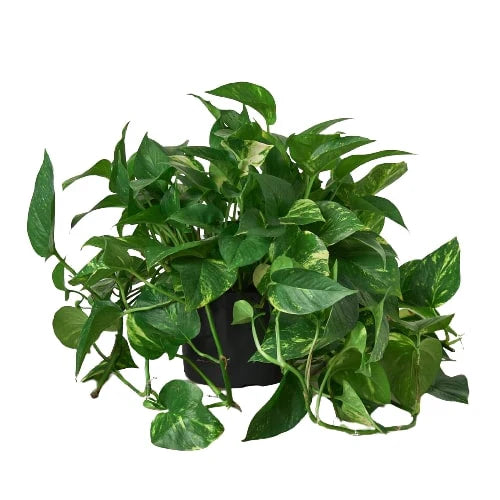
    • Growth Habit: Trailing
    • Origin: Solomon Islands; widely cultivated

    Golden Pothos Care Guide

    • Light: Bright indirect light is ideal; Golden Pothos tolerates low light.
    • Water: Water when the top 1–2 inches dry; use well-draining soil to aid root rot prevention.
    • Humidity: Average indoor humidity is sufficient.

    Safety Note

    Is the Golden Pothos pet-safe? No, the Golden Pothos is toxic if ingested; keep out of reach of pets and children.

    Horticulturalist's Pro-Tip

    Rotate the plant every few weeks to promote even trailing growth, and pinch back long vines to encourage fullness.

    Bring home Golden Pothos today and cultivate a lush, low-effort indoor jungle.

    Frequently Asked Questions

    How much light does a Golden Pothos need to stay vibrant?

    A Golden Pothos thrives best in bright, indirect light, though the Golden Pothos can tolerate lower light conditions at the cost of slower growth.

    How often should I water my Golden Pothos to avoid root rot?

    To keep your Golden Pothos healthy, water only when the top two inches of soil are dry, as the Golden Pothos is susceptible to root rot in standing water.

    Can Golden Pothos grow in low-light rooms?

    Golden Pothos can adapt to low-light rooms, but growth may be slower; for best results keep the Golden Pothos in indirect light and avoid deep shade.

    What soil is best for Golden Pothos?

    Golden Pothos performs best in well-draining soil that prevents waterlogged roots and helps root rot prevention for the Golden Pothos.

    Does Golden Pothos purify air effectively?

    Yes, Golden Pothos improves indoor air quality by filtering common toxins, making the Golden Pothos a practical addition to your home’s indoor jungle setup.

    How should I prune my Golden Pothos for fullness?

    For a fuller Golden Pothos, trim back the longest vines and encourage side shoots, keeping the Golden Pothos balanced as it fills out in your space.

    Will Golden Pothos damage walls or furniture?

    Golden Pothos vines won’t damage surfaces, but they can become heavy; guide the Golden Pothos with trellises or a hanger and prune regularly to prevent sagging.

    What pests are common on Golden Pothos indoors?

    Common issues for Golden Pothos include mealybugs, scale, and spider mites on Golden Pothos; inspect regularly and treat early to protect your Golden Pothos.

    How do I propagate a Golden Pothos?

    Propagation is simple with Golden Pothos cuttings: take 4–6 inch cuttings with at least 2 leaf nodes, place in water or well-draining soil, and roots will develop around Golden Pothos.

    Is Golden Pothos toxic to pets?

    Yes, Golden Pothos is toxic to pets and children if ingested; keep Golden Pothos out of reach to protect your family and keep your home safe.

    What is the ideal temperature range for Golden Pothos?

    Golden Pothos prefers typical indoor temperatures between 65–85°F (18–29°C); keep Golden Pothos away from cold drafts to avoid stress.

    What humidity level does Golden Pothos prefer?

    Golden Pothos thrives in average indoor humidity; in very dry air, increase humidity around the Golden Pothos with a humidity tray or regular misting.

    How often should I fertilize my Golden Pothos?

    Fertilize Golden Pothos every 4–6 weeks in spring and summer with a balanced, water-soluble fertilizer, while reducing in fall and winter for Golden Pothos.

    When should I repot my Golden Pothos?

    Repot Golden Pothos every 1–2 years or when roots become crowded; use a slightly larger pot and fresh well-draining soil for Golden Pothos.

    Can Golden Pothos be grown as a tabletop plant or does it need a hanging basket?

    Golden Pothos is versatile for a tabletop display or a hanging basket, but in either case ensure indirect sunlight and provide support for trailing Golden Pothos as needed.

    How can I train my Golden Pothos to grow as an indoor jungle?

    To build an indoor jungle with Golden Pothos, guide trails along shelves and onto a trellis, trim regularly, and pair with other tropical plants for lush contrast with Golden Pothos as the anchor.

    What are signs of overwatering in a Golden Pothos?

    Signs of overwatering in Golden Pothos include yellowing leaves, soft stems, and a musty odor; adjust watering and ensure well-draining soil for Golden Pothos to recover.

    What are signs of underwatering in a Golden Pothos?

    Brown leaf tips and drooping Golden Pothos indicate underwatering; water thoroughly and ensure the soil dries; maintain consistent moisture for Golden Pothos in regular indoor care.

    Can I use tap water for Golden Pothos?

    Golden Pothos tolerates most tap water, but if your water is highly chlorinated, you may let it sit overnight or use filtered water to protect the Golden Pothos.

    Is it safe to place Golden Pothos near children?

    As a toxic plant, Golden Pothos should be kept out of reach of children, and the Golden Pothos should be placed away from curious hands in the home.

    View full details

    Golden Pothos (Epipremnum aureum) Live Houseplant

    Frequently Asked Questions

    Is Golden Pothos a good plant for beginners?
    Yes. Golden Pothos (Epipremnum aureum) is widely recommended for beginners because it tolerates a wide range of light conditions, recovers well from irregular watering, and requires minimal grooming. Specifically, it prefers bright, indirect light but will survive in low light, only needs the top 1–2 inches of soil to dry between waterings, and thrives in average indoor humidity. This combination of forgiving light and watering needs makes it ideal for first-time plant owners, busy households, or people in apartments with variable light. Note that variegation can fade in very low light, so if you want the brightest yellow streaks, place it in bright, indirect light rather than a dim room.
    Can a Golden Pothos help improve indoor air quality?
    Yes. Golden Pothos is considered an air-purifying houseplant because its foliage and root system can help reduce common indoor airborne compounds. Studies on related pothos varieties and similar vining houseplants show they can absorb volatile organic compounds at a measurable rate when provided with healthy leaf area and soil microbes. For practical use, a mature plant with cascading vines performs better than a small specimen, and grouping several plants increases effectiveness. This plant suits home offices, living rooms, and bedrooms where moderate filtration is helpful. Keep in mind it is not a substitute for ventilation or air filtration systems; pothos contributes modest, natural air improvement rather than replacing mechanical purification.
    How often should I water my Golden Pothos?
    Water when the top 1 to 2 inches of soil feel dry to the touch. This typically means watering every 1 to 2 weeks in average indoor conditions, but frequency will vary with light, pot size, and season. Golden Pothos prefers moisture without sitting in water, so use a pot with drainage and empty the saucer after watering. The plant shows underwatering with limp leaves and overwatering with yellowing and root rot. This routine works well for most indoor environments and benefits busy plant owners because it tolerates some irregularity. If your home is very bright or heated, check soil more often; in low light or winter, extend the interval to avoid overwatering.
    Will a Golden Pothos thrive in an office with fluorescent lighting?
    Yes. Golden Pothos tolerates fluorescent and other low to moderate indoor lighting and will generally thrive in typical office environments because it can photosynthesize effectively at lower light intensities. Specifically, bright, indirect light produces the best variegation and faster growth, but fluorescent lighting provides enough light for maintenance growth and air-purifying function. Offices with consistent temperature and average humidity suit it well, and its trailing habit adapts to shelves or hanging planters. If you want faster growth or more pronounced variegation, supplement with a grow light or place the plant nearer a bright, indirect window for part of the day.
    Is Golden Pothos safe around pets and children?
    No. Golden Pothos (Epipremnum aureum) is toxic if ingested and can cause oral irritation, drooling, and gastrointestinal upset in pets and children due to calcium oxalate crystals in the leaves. This makes it important to keep the plant out of reach in homes with curious pets or toddlers, for example in a high hanging basket or on a shelf inaccessible to animals. Many plant owners who want a trailing vine but have pets choose to place pothos in locations pets cannot reach or select non-toxic alternatives. If ingestion is suspected, contact a veterinarian or poison control for guidance.
    Can I propagate Golden Pothos myself and how long does it take?
    Yes. Golden Pothos is very easy to propagate from stem cuttings and often roots in water within 1 to 3 weeks and in soil within 3 to 6 weeks under normal indoor conditions. Take a 4-6 inch cutting with at least one node, place the node in water or a moist, well-draining potting mix, and keep it in bright, indirect light. Roots can appear quickly in water and are easy to transfer to soil once a few inches long. This method suits plant owners who want more plants or to refresh a leggy vine. Rooting speed depends on light, temperature, and the health of the cutting; warmer, brighter conditions accelerate rooting.
    How fast does Golden Pothos grow and how long will the vines get indoors?
    Golden Pothos grows quickly under favorable indoor conditions and can extend several feet of new growth per year. With bright, indirect light, regular but not excessive watering, and periodic feeding, vines commonly reach 6 to 10 feet or more indoors; in lower light growth is slower and vines stay shorter. Its vigorous nature makes it an excellent hanging or trailing plant for dramatic cascades, while pruning controls length and encourages bushier growth. If you need shorter, fuller plants place them on a stand and prune tips regularly; if you want long trails allow uninterrupted vertical or hanging space.
    What potting soil and pot size should I use for Golden Pothos?
    Use a well-draining, aerated potting mix and a pot with drainage holes. A standard indoor potting mix amended with perlite or orchid bark improves drainage and prevents waterlogging, which helps avoid root rot. Choose a pot that is only one size larger than the current root ball to prevent excess moisture retention; generally increase pot size by 1 to 2 inches in diameter when repotting. This setup benefits owners who water on a schedule and want healthy, vigorous growth. If you prefer slower growth, a slightly snugger pot will limit root expansion, but avoid overly small containers that stress the plant.
    How do I prune Golden Pothos and how often should it be trimmed?
    Prune Golden Pothos regularly to maintain shape and encourage fuller growth. Trim back leggy vines or cut just above a node every 2 to 3 months or as needed to control length and promote branching. Use clean scissors or pruning shears and remove any yellow or damaged leaves at the base. Rooting cuttings into new pots is a common way to propagate while pruning. Regular light pruning benefits people who want compact, bushy specimens or neat hanging displays. Heavy pruning can be done in spring or early summer for a strong recovery period, while minimal pruning is fine for a more natural trailing look.
    My Golden Pothos leaves are yellowing. What does that mean and how do I fix it?
    Yellowing leaves usually indicate overwatering, though they can also result from low light, nutrient deficiency, or natural leaf aging. Overwatering causes yellow lower leaves and soft stems because roots lack oxygen; to fix this, let the top 1–2 inches of soil dry, ensure the pot has drainage, and trim any rotten roots before repotting into fresh, well-draining mix. If light is the issue, move the plant to brighter, indirect light to restore variegation and leaf color. For nutrient issues, a balanced, diluted houseplant fertilizer during the growing season can help. Check pests and environmental stress as additional causes.
    SUBHEADING

    Recently viewed products

    Healthy Arrival Guaranteed

    We Stand Behind Our Brand

    Free Delivery

    We offer fast, free delivery across the U.S. on all orders—no minimum required. All plants are carefully packaged and protected from freezing during transit.

    Top-Notch Support

    Have questions? Our friendly plant experts are here to help—before and after your order.

    Satisfied or Refunded

    We stand by our plants. If you're not completely happy, we'll make it right—or refund you.

    Plants & Roses Inc.
    Plants & Roses Inc.

    Healthy Arrival Guaranteed

    Every plant is hand-picked, inspected, and shipped with care to ensure it arrives fresh and thriving.