Skip to product information

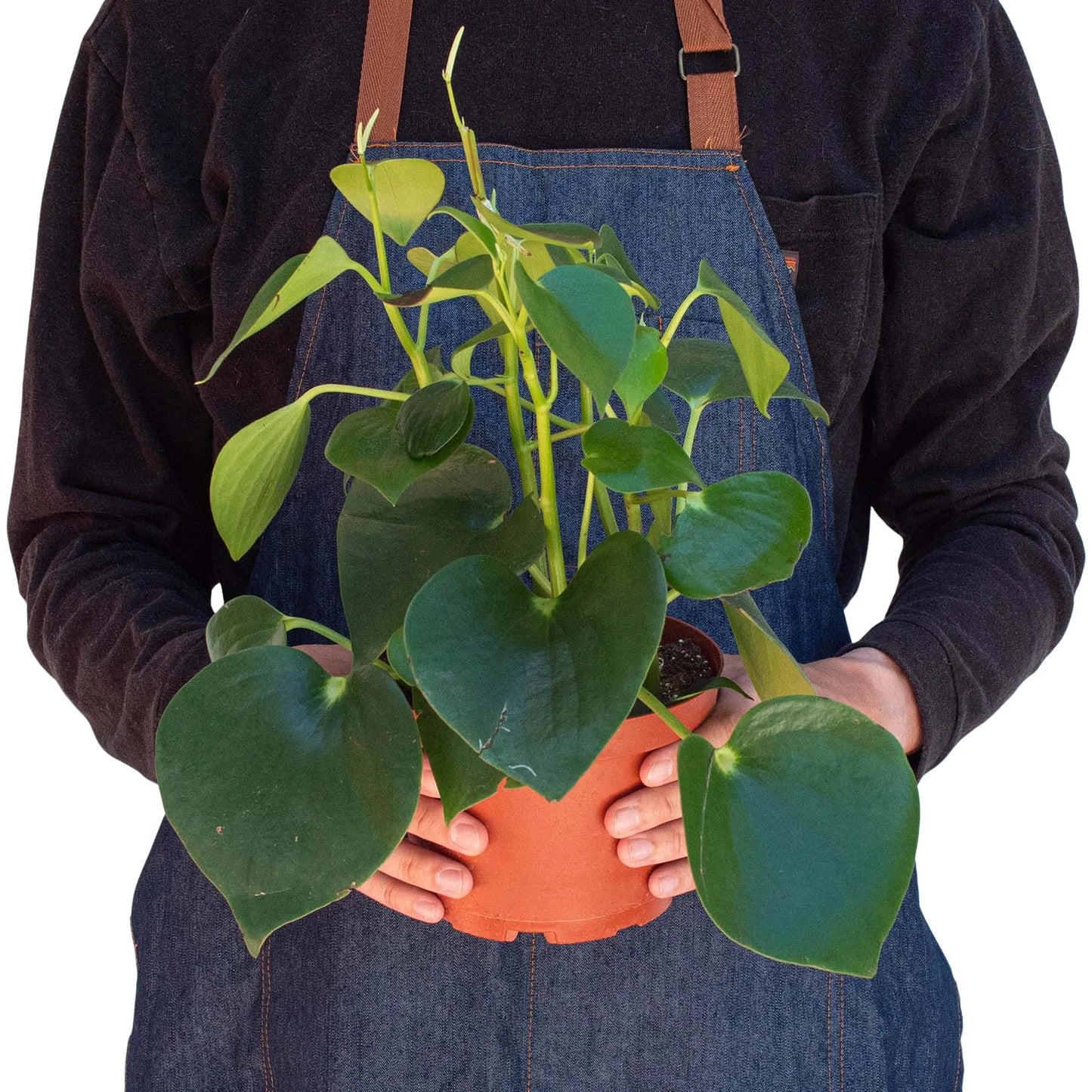
    Raindrop Peperomia (Peperomia polybotrya) Live Houseplant

    $24.00 USD
     per 
    Shipping calculated at checkout.
    In stock!

    Sourced from trusted local U.S. plant nurseries

    Carefully inspected for pests and diseases before shipping

    Shipped with eco-friendly packaging and care tips

    Includes heat packs during cold weather to prevent freezing

    Size: 4" Pot

    Product description

    Raindrop Peperomia Coin-Leaf Introduction: The Raindrop Peperomia Coin-Leaf (Peperomia polybotrya) is a compact, glossy-leaved houseplant prized for its raindrop-shaped foliage and easy-care charm. Its succulent-like leaves store water, helping it thrive with minimal maintenance in bright filtered light and small spaces.

    Why You Need a Raindrop Peperomia Coin-Leaf

    The Raindrop Peperomia Coin-Leaf brings living decor, elevating mood and adding lush texture to any room. Perfect for an indoor jungle aesthetic, it combines striking silhouette with approachable houseplant care—all while staying compact and easy to manage in well-draining soil and bright, filtered light.

    Key Features

    • Foliage: Green, glossy, raindrop-shaped leaves with succulent-like density that catch the light beautifully.
    • Dimensions: Current shipping size varies; grows into a compact, dense bush.
    • Growth Habit: Compact clumping.
    • Origin: Native to tropical South America.

    Raindrop Peperomia Coin-Leaf Care Guide

    • Light: Bright filtered light; indirect sunlight is preferred to prevent leaf scorch.
    • Water: Wait for the top 1-2 inches of soil to dry; use a well-draining soil to aid root rot prevention.
    • Humidity: Moderate to high humidity; typical home levels are fine for healthy growth.

    Safety Note

    Is the Raindrop Peperomia Coin-Leaf pet-safe? Yes, the Raindrop Peperomia Coin-Leaf is non-toxic to pets and humans.

    Horticulturalist's Pro-Tip

    Rotate the plant monthly for even growth and wipe leaves with a damp cloth to maximize light absorption.

    Add the Raindrop Peperomia Coin-Leaf to your collection and enjoy a compact, tropical accent that thrives in small spaces.

    Frequently Asked Questions

    How much light does a Raindrop Peperomia Coin-Leaf need to stay vibrant?

    A Raindrop Peperomia Coin-Leaf thrives best in bright, indirect light, though the Raindrop Peperomia Coin-Leaf can tolerate lower light conditions at the cost of slower growth.

    How often should I water my Raindrop Peperomia Coin-Leaf to avoid root rot?

    To keep your Raindrop Peperomia Coin-Leaf healthy, water only when the top two inches of soil are dry, as the Raindrop Peperomia Coin-Leaf is susceptible to root rot in standing water.

    What soil mix is best for a Raindrop Peperomia Coin-Leaf?

    Use a well-draining soil blend with perlite or orchid bark to support the Raindrop Peperomia Coin-Leaf and prevent soggy roots, a key factor in root rot prevention for the Raindrop Peperomia Coin-Leaf.

    Does a Raindrop Peperomia Coin-Leaf need humidity?

    Raindrop Peperomia Coin-Leaf prefers moderate to higher humidity, and benefits from misting or a pebble tray to maintain a comfortable environment for the Raindrop Peperomia Coin-Leaf in an indoor jungle setting.

    How often should I repot my Raindrop Peperomia Coin-Leaf?

    Repot the Raindrop Peperomia Coin-Leaf when roots become crowded, typically every 1-2 years, to support ongoing growth and maintain healthy houseplant care for the Raindrop Peperomia Coin-Leaf.

    Can I propagate a Raindrop Peperomia Coin-Leaf?

    Yes, you can propagate Raindrop Peperomia Coin-Leaf via leaf cuttings or small stem cuttings; use a well-draining soil mix and keep humidity steady; provide the Raindrop Peperomia Coin-Leaf with indirect sunlight for best rooting results.

    What temperature range is ideal for Raindrop Peperomia Coin-Leaf?

    Raindrop Peperomia Coin-Leaf performs best between 65-80°F (18-27°C); protect from cold drafts that can stress the Raindrop Peperomia Coin-Leaf.

    How can I prevent edge browning on the Raindrop Peperomia Coin-Leaf leaves?

    Avoid direct sun on edges; ensure indirect sunlight; keep well-draining soil; the Raindrop Peperomia Coin-Leaf will resist brown tips with proper humidity.

    What are common pests for Raindrop Peperomia Coin-Leaf?

    Mealybugs, spider mites, and scale can affect the Raindrop Peperomia Coin-Leaf; inspect leaves regularly and wipe with damp cloth and treat with a gentle horticultural soap as needed, for the Raindrop Peperomia Coin-Leaf.

    Is the Raindrop Peperomia Coin-Leaf toxic to pets or children?

    Raindrop Peperomia Coin-Leaf is non-toxic to pets and humans, making it a friendly choice for homes with children and animals while still offering striking foliage.

    How do I prune my Raindrop Peperomia Coin-Leaf without damaging the plant?

    Prune Raindrop Peperomia Coin-Leaf selectively to maintain a compact shape; use clean scissors and seal any wounds to prevent rot, helping the Raindrop Peperomia Coin-Leaf rebound quickly.

    Do Raindrop Peperomia Coin-Leaf plants bloom indoors?

    Raindrop Peperomia Coin-Leaf blooms are uncommon indoors, but if they appear, keep expectations modest—the Raindrop Peperomia Coin-Leaf’s ornamental value lies in its leaves and form.

    How should I clean dust from the Raindrop Peperomia Coin-Leaf leaves?

    Gently wipe Raindrop Peperomia Coin-Leaf leaves with a soft damp cloth to remove dust, helping the Raindrop Peperomia Coin-Leaf photosynthesize more efficiently.

    Can I keep a Raindrop Peperomia Coin-Leaf in a terrarium?

    While compact and moisture-tolerant, the Raindrop Peperomia Coin-Leaf prefers airflow; a closed terrarium may cause excess humidity for the Raindrop Peperomia Coin-Leaf unless carefully managed.

    Is the Raindrop Peperomia Coin-Leaf suitable for an office desk?

    Yes, the Raindrop Peperomia Coin-Leaf thrives in bright, indirect light and limited space, making it an excellent desk companion within the rules of the Raindrop Peperomia Coin-Leaf care routine.

    What kind of fertilizer should I use for the Raindrop Peperomia Coin-Leaf?

    Feed the Raindrop Peperomia Coin-Leaf with a balanced, diluted houseplant fertilizer during the growing season, following label directions to avoid salt build-up that could affect the Raindrop Peperomia Coin-Leaf.

    Should I use filtered water for the Raindrop Peperomia Coin-Leaf?

    Using room-temperature, decanted water helps the Raindrop Peperomia Coin-Leaf avoid mineral buildup; this supports healthy growth for the Raindrop Peperomia Coin-Leaf over time.

    How does light direction impact the Raindrop Peperomia Coin-Leaf?

    Raindrop Peperomia Coin-Leaf benefits from light that comes from the side or slightly above; ensure indirect sunlight to prevent leaf burn and support the Raindrop Peperomia Coin-Leaf’s vivid foliage.

    View full details

    Raindrop Peperomia (Peperomia polybotrya) Live Houseplant

    Frequently Asked Questions

    Is Peperomia 'Raindrop' a good plant for beginners?
    Yes. Peperomia 'Raindrop' is well suited for beginners because it is low maintenance, has water-storing leaves that tolerate occasional missed waterings, and prefers bright, filtered light rather than precise light placement. Specifically, its thick, succulent-like leaves reduce drought stress, it thrives in typical indoor temperatures of 18-24°C (65-75°F), and it requires a well-draining, airy potting mix to avoid root rot. Beginners benefit most when they place the plant on a shelf or desk with indirect light and allow the top 1–2 inches of soil to dry before watering. A limitation is that it is sensitive to overwatering and poor drainage, so new plant parents should avoid heavy soils and standing water to prevent root issues.
    How often should I water Peperomia 'Raindrop'?
    Allow the top 1–2 inches of soil to dry before watering again. Because Peperomia 'Raindrop' has thick, water-storing leaves, it is forgiving of infrequent watering; combined with a well-draining mix and good drainage, this reduces the risk of root rot. In practice this often means watering roughly every 2–3 weeks in typical indoor conditions, less in cooler or lower-light months, and slightly more in warm, bright growing seasons. This schedule benefits busy plant owners and those in drier homes, while people in very humid or poorly drained conditions should water even more conservatively to avoid soggy soil.
    Will Peperomia 'Raindrop' tolerate low light environments?
    Partially. Peperomia 'Raindrop' tolerates lower light better than many tropical plants, but it performs best in bright, filtered light; insufficient light leads to slower growth and less vibrant leaves. Specifically, it prefers indirect light near a window with sheer curtains or an east-facing spot; prolonged deep shade can cause leggy growth and smaller leaves. This makes it a good choice for rooms with moderate ambient light or offices with indirect daylight. If you only have very low light, consider supplementing with a grow light. Compared with succulents that need direct sun, 'Raindrop' prefers gentler, filtered light conditions.
    Is Peperomia 'Raindrop' safe for pets and children?
    Yes. Peperomia 'Raindrop' (Peperomia polybotrya) is generally considered non-toxic to dogs, cats, and humans, making it a safer option for homes with curious pets or small children. This classification is based on commonly available toxicity information for Peperomia species, which show low or no toxicity if chewed or ingested in small amounts. Pet owners should still discourage chewing and keep plants out of reach, because any plant material can cause mild gastrointestinal upset if eaten in quantity. For households needing absolute certainty, consult your veterinarian for specific guidance regarding your pets.
    How does Peperomia 'Raindrop' compare to succulents for indoor use?
    Peperomia 'Raindrop' shares some succulent traits, such as thick leaves that store water, but it differs in light and humidity preferences. Unlike many true succulents that prefer strong direct sun and very dry conditions, 'Raindrop' favors bright, filtered light and moderate to high humidity, and it is more sensitive to cold. It also prefers a more airy potting mix with perlite or orchid bark rather than heavy cactus mixes. This makes it a better option for bathrooms, kitchens, or indoor shelves where humidity is higher and direct sunlight is limited. If you want a plant that looks succulent-like but tolerates indoor humidity and indirect light, 'Raindrop' is a strong choice.
    Can I propagate Peperomia 'Raindrop' from cuttings, and how successful is it?
    Yes. Peperomia 'Raindrop' propagates reliably from stem cuttings and sometimes from leaf cuttings when done properly. Success factors include using a clean cut just below a node, placing the cutting in a well-draining propagation mix or water until roots form, and keeping the environment warm and humid but out of direct sun. Roots typically appear in 2–6 weeks depending on conditions. This method benefits plant hobbyists who want to expand their collection or share plants, and it works well for indoor growers because the plant roots readily without specialized equipment. Rooting is slower in cool or low-light conditions, so provide warmth and bright, indirect light for best results.
    What soil mix and pot type are best for Peperomia 'Raindrop'?
    A well-draining, airy potting mix is best for Peperomia 'Raindrop'. Use a standard indoor potting mix amended with perlite, coarse sand, or orchid bark to increase drainage and aeration; mixes labeled for succulents or epiphytic plants also work well. Choose a pot with drainage holes to prevent water from pooling at the bottom, which can cause root rot. This soil and pot combination helps maintain the balance between moisture retention in the plant's water-storing leaves and fast drainage of excess water. Small to medium pots suit this compact plant because it prefers to be slightly root-bound rather than sitting in an overly large, moisture-retentive container.
    How often should I repot my Peperomia 'Raindrop'?
    Repotting every 2–3 years is usually sufficient for Peperomia 'Raindrop', or when the plant shows signs of being rootbound such as slowed growth or roots emerging from drainage holes. This species is a relatively slow grower and prefers slightly snug conditions, so frequent repotting is unnecessary. When repotting, choose a pot only one size larger and refresh the soil to a well-draining mix with perlite or orchid bark. Indoor gardeners who favor compact growth and stability will benefit from this schedule, while those seeking rapid size increases may repot sooner. Avoid repotting during dormancy in late fall or winter; spring or early summer is best.
    What common problems should I watch for with Peperomia 'Raindrop' and how do I fix them?
    The most common issues are overwatering leading to root rot, leaf yellowing from poor drainage, and occasional pest problems such as mealybugs or spider mites. Treat overwatering by allowing the top 1–2 inches of soil to dry, improving drainage with perlite or orchid bark, and repotting if roots are rotting. For pests, isolate the plant, wipe leaves with a damp cloth, and treat persistent infestations with insecticidal soap or horticultural oil. Brown leaf edges can indicate low humidity or fertilizer burn; increase humidity with a pebble tray or humidifier and reduce fertilizer frequency to once monthly at half strength in spring and summer. These steps help maintain a healthy, attractive plant.
    Is Peperomia 'Raindrop' suitable for small spaces like desks or shelves?
    Yes. Peperomia 'Raindrop' is ideal for small spaces because it grows compactly into a dense, attractive bush and tolerates the limited footprint of desks, shelves, and windowsills. Its moderate height and lush foliage add visual interest without overwhelming a small area, and its preference for bright, filtered light fits many shelf and desk locations near windows with indirect sun. Additionally, its low maintenance watering needs and slow to moderate growth rate make it well suited for apartments, offices, and small living spaces. If space has very low light, consider a nearby indirect light source or a small grow light to keep the plant healthy.
    SUBHEADING

    Recently viewed products

    Healthy Arrival Guaranteed

    We Stand Behind Our Brand

    Free Delivery

    We offer fast, free delivery across the U.S. on all orders—no minimum required. All plants are carefully packaged and protected from freezing during transit.

    Top-Notch Support

    Have questions? Our friendly plant experts are here to help—before and after your order.

    Satisfied or Refunded

    We stand by our plants. If you're not completely happy, we'll make it right—or refund you.

    Plants & Roses Inc.
    Plants & Roses Inc.

    Healthy Arrival Guaranteed

    Every plant is hand-picked, inspected, and shipped with care to ensure it arrives fresh and thriving.