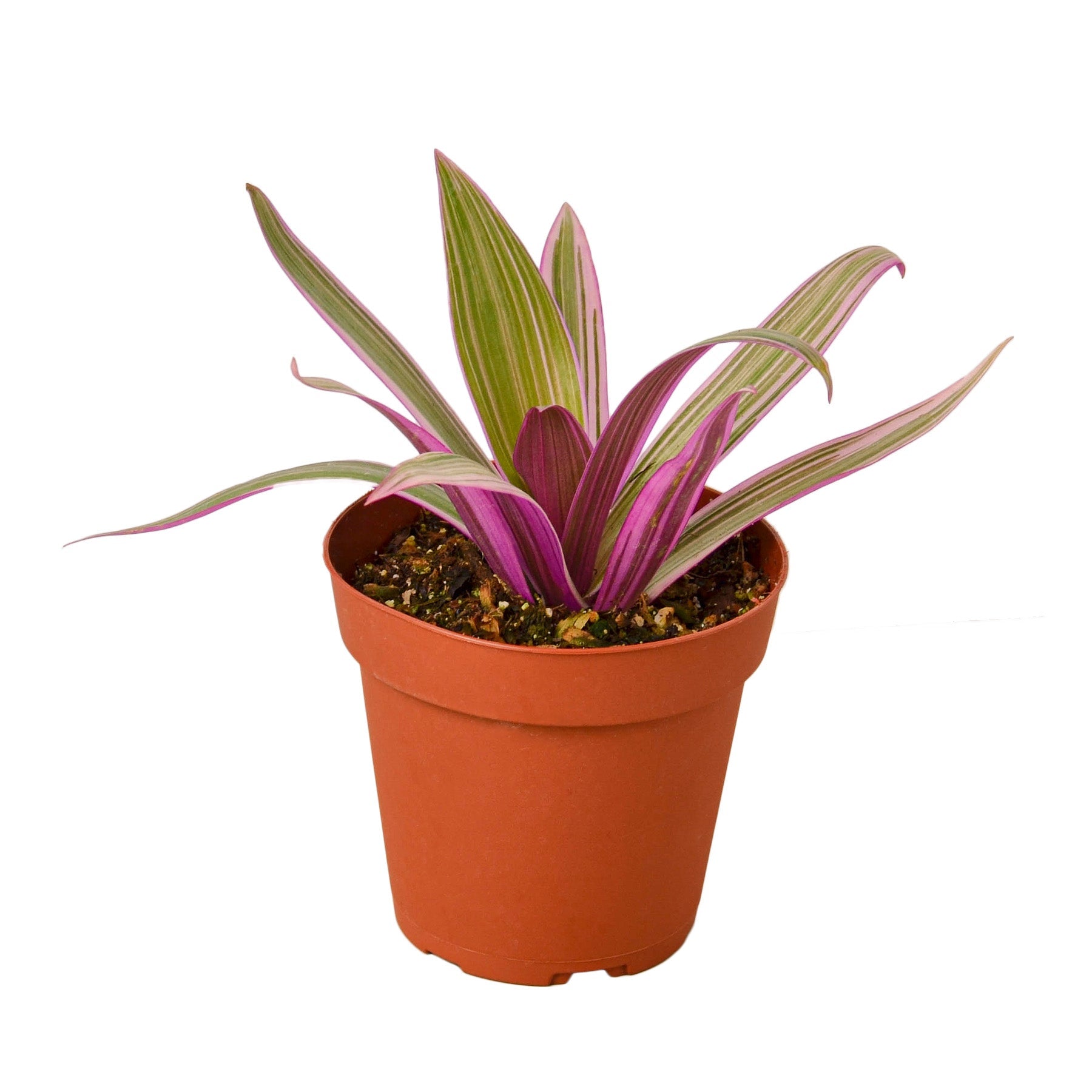


Oyster Plant (Tradescantia spathacea) Purple Foliage Live Houseplant
Sourced from trusted local U.S. plant nurseries
Carefully inspected for pests and diseases before shipping
Shipped with eco-friendly packaging and care tips
Includes heat packs during cold weather to prevent freezing
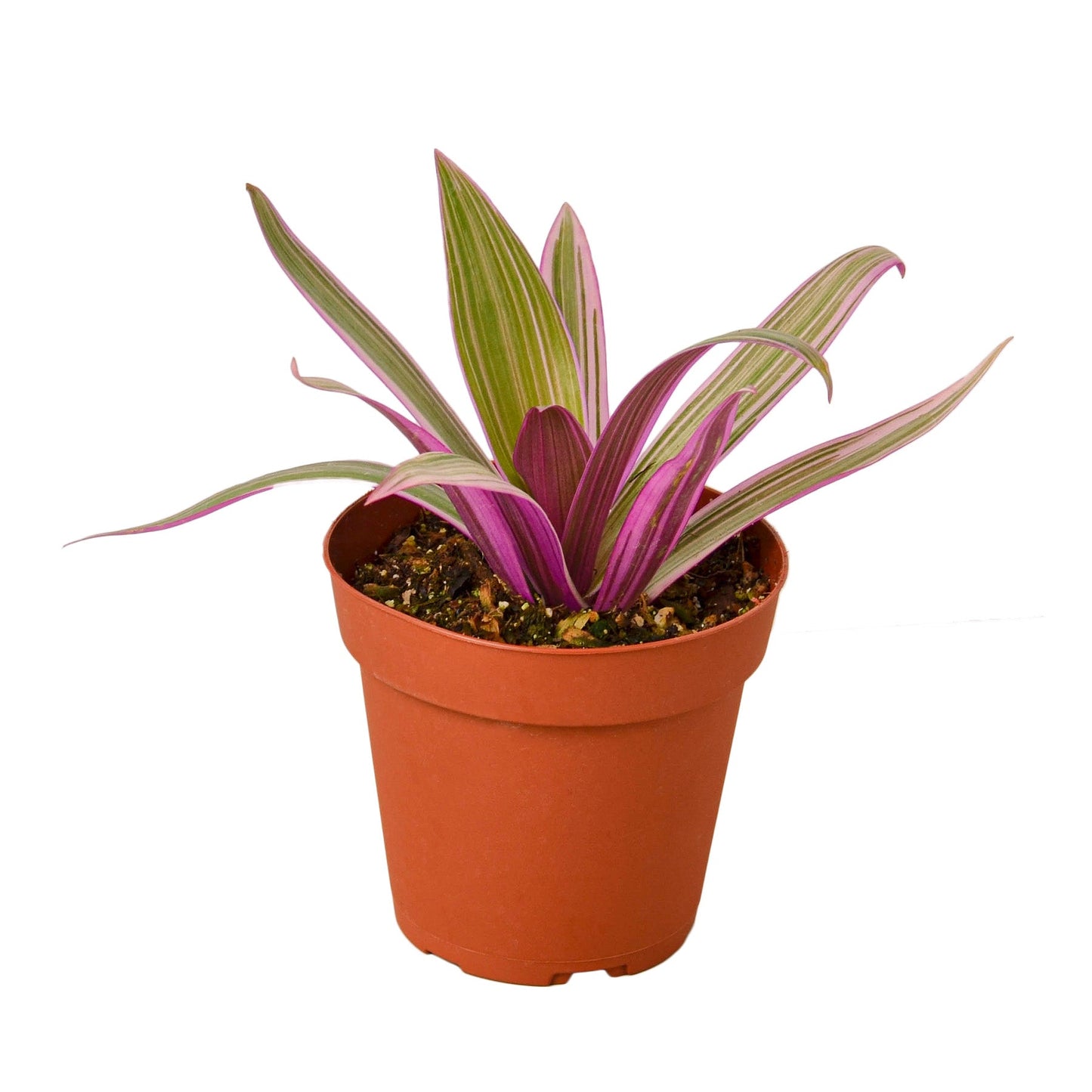
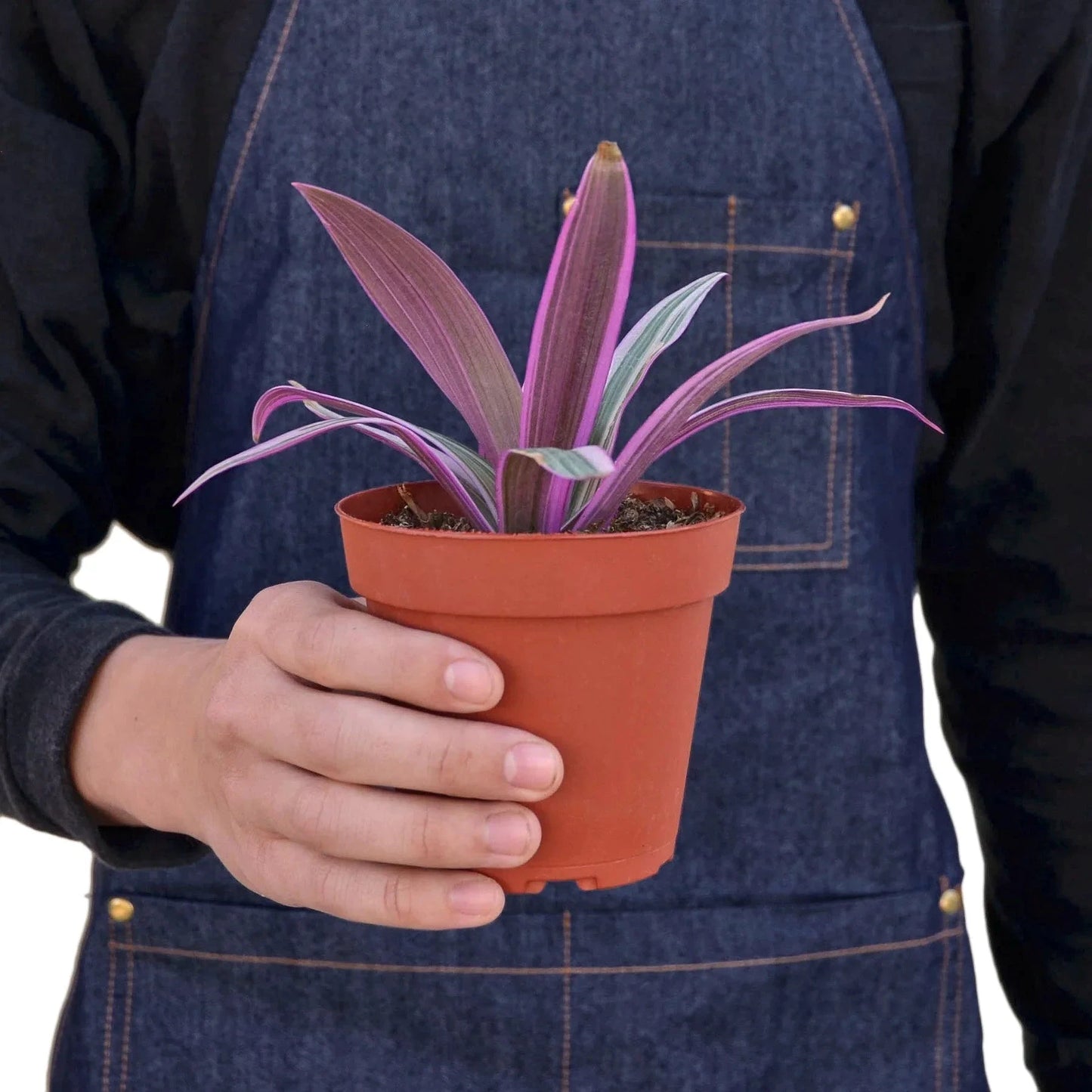
Oyster Plant Introduction: Oyster Plant (Tradescantia spathacea) captivates with sword-shaped leaves that shift from green-to-metallic grey on top to a vivid purple underside, delivering two-tone drama without relying on flowers.
Why You Need a Oyster Plant
Oyster Plant brings a bold, evergreen aesthetic to any space, enriching interior decor with living color. This plant supports a lush indoor jungle vibe and remains a reliable foliage focal point in mixed plantings. Its distinctive leaf contrast adds depth to moody corners and bright windowsills alike, while fitting seamlessly into thoughtful houseplant care routines.
Key Features
- Foliage: Thin sword-shaped leaves with green to metallic grey tops and striking purple undersides
- Dimensions: Current shipping size in a compact pot; growth potential includes clumping rosettes that spread with time
- Growth Habit: Clumping rosettes; can trail in hanging baskets
- Origin: Native to Central and South America; well-documented ornamental perennial
Oyster Plant Care Guide
- Light: Indirect sunlight is ideal; tolerates brighter rooms but avoid harsh, direct sun.
- Water: Water when the top well-draining soil dries; monitor to prevent overwatering and root rot prevention.
- Humidity: Average indoor humidity is fine; appreciates occasional misting or gentle airflow.
Safety Note
Is the Oyster Plant pet-safe? No, the Oyster Plant is toxic to pets if ingested. Keep out of reach of cats and dogs to avoid irritation or digestive upset.
Horticulturalist's Pro-Tip
Rotate the plant monthly to encourage balanced growth, and refresh the crown with a light repot and airy soil mix to maintain vibrant color.
Ready to elevate your space? Add Oyster Plant to your collection and watch it transform your living decor.
Frequently Asked Questions
How much light does an Oyster Plant need to stay vibrant?
Oyster Plant thrives best in bright, indirect light, though the Oyster Plant can tolerate lower light conditions at the cost of slower growth.
How often should I water my Oyster Plant to avoid root rot?
To keep the Oyster Plant healthy, water only when the top two inches of soil are dry, as the Oyster Plant is susceptible to root rot in standing water.
Can the Oyster Plant thrive in low humidity or dry indoor air?
Oyster Plant tolerates average indoor humidity but appreciates occasional misting to keep leaves vibrant; this helps the Oyster Plant perform well in typical home environments.
What type of soil is best for the Oyster Plant?
Oyster Plant performs best in well-draining soil; a lightweight mix with perlite or orchid bark helps maintain aeration for the Oyster Plant.
How can I propagate my Oyster Plant?
Oyster Plant propagates readily from offsets or stem cuttings; gently divide clumping rosettes and root in well-draining soil to expand your Oyster Plant collection.
What fertilizer does the Oyster Plant prefer and how often?
Feed the Oyster Plant with a balanced, water-soluble fertilizer at half strength every 4-6 weeks during the growing season to support healthy color and growth for the Oyster Plant.
How should I prune the Oyster Plant to maintain shape?
Trim brown or faded leaves and pinch back leggy stems to encourage a denser, more compact Oyster Plant habit for the Oyster Plant.
Is the Oyster Plant safe for pets?
Yes, the Oyster Plant is toxic to pets if ingested; keep the Oyster Plant out of reach of cats and dogs to prevent irritation or digestive upset.
What is the best growth habit for the Oyster Plant in containers?
The Oyster Plant forms clumping rosettes and can trail in hanging baskets when given space, making the Oyster Plant versatile for shelves and planters in your indoor jungle.
What temperature range does the Oyster Plant prefer?
Oyster Plant enjoys typical room temperatures, ideally between 60-85°F; avoid frost and excessive heat for the Oyster Plant’s best color and vigor.
How quickly does the Oyster Plant grow?
The Oyster Plant grows at a moderate pace, with rosettes slowly spreading to fill space and create a lush look in your Oyster Plant display.
Can the Oyster Plant be grown in bathrooms or kitchens with indirect light?
Yes, the Oyster Plant can thrive in indirect light found in bathrooms or kitchens, provided it isn’t in constant direct sun and the space maintains adequate humidity for the Oyster Plant.
What pests commonly affect the Oyster Plant and how can I treat them?
Watch for spider mites and mealybugs on the Oyster Plant; treat early with a damp cloth wipe-down and, if needed, a gentle insecticidal soap to protect the Oyster Plant.
Does the Oyster Plant need high humidity?
While the Oyster Plant tolerates average indoor humidity, occasional misting or airflow helps the Oyster Plant maintain vibrant leaves, especially in dry climates.
What signals indicate the Oyster Plant needs repotting?
When roots become visible at the drainage holes or the growth slows despite proper care, the Oyster Plant benefits from a fresh, airy soil mix and a slightly larger pot for the Oyster Plant.
Can I use the Oyster Plant in mixed plant arrangements?
The Oyster Plant’s striking foliage contrasts beautifully in mixed plant arrangements, enhancing the Oyster Plant’s role in an indoor jungle-style display.
Are there any signs of overwatering in the Oyster Plant?
Yellowing leaves, soft stem bases, and a musty soil smell can indicate overwatering in the Oyster Plant; adjust watering and ensure well-draining soil to protect the Oyster Plant.
Have a question?

Oyster Plant (Tradescantia spathacea) Purple Foliage Live Houseplant
Frequently Asked Questions
We Stand Behind Our Brand